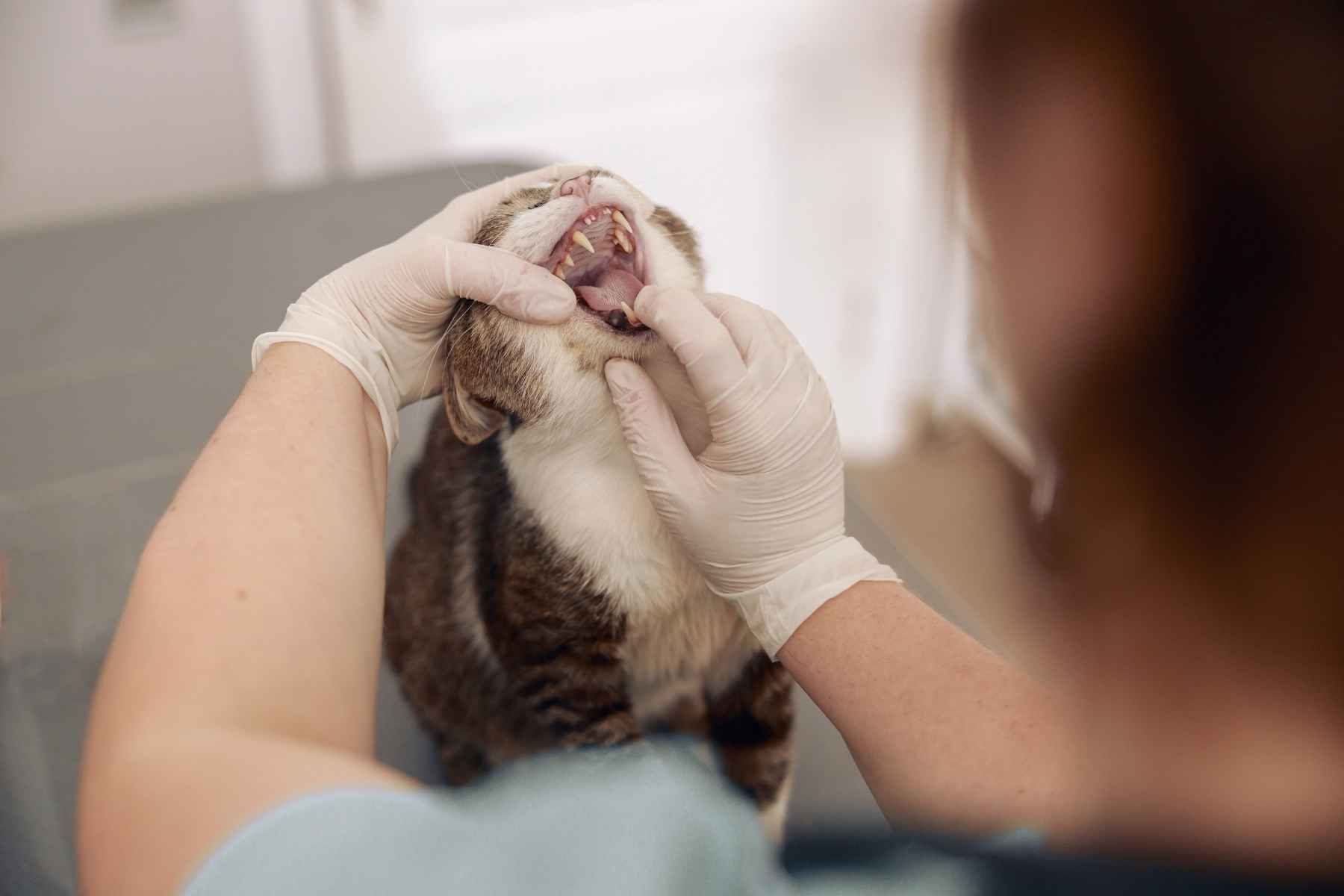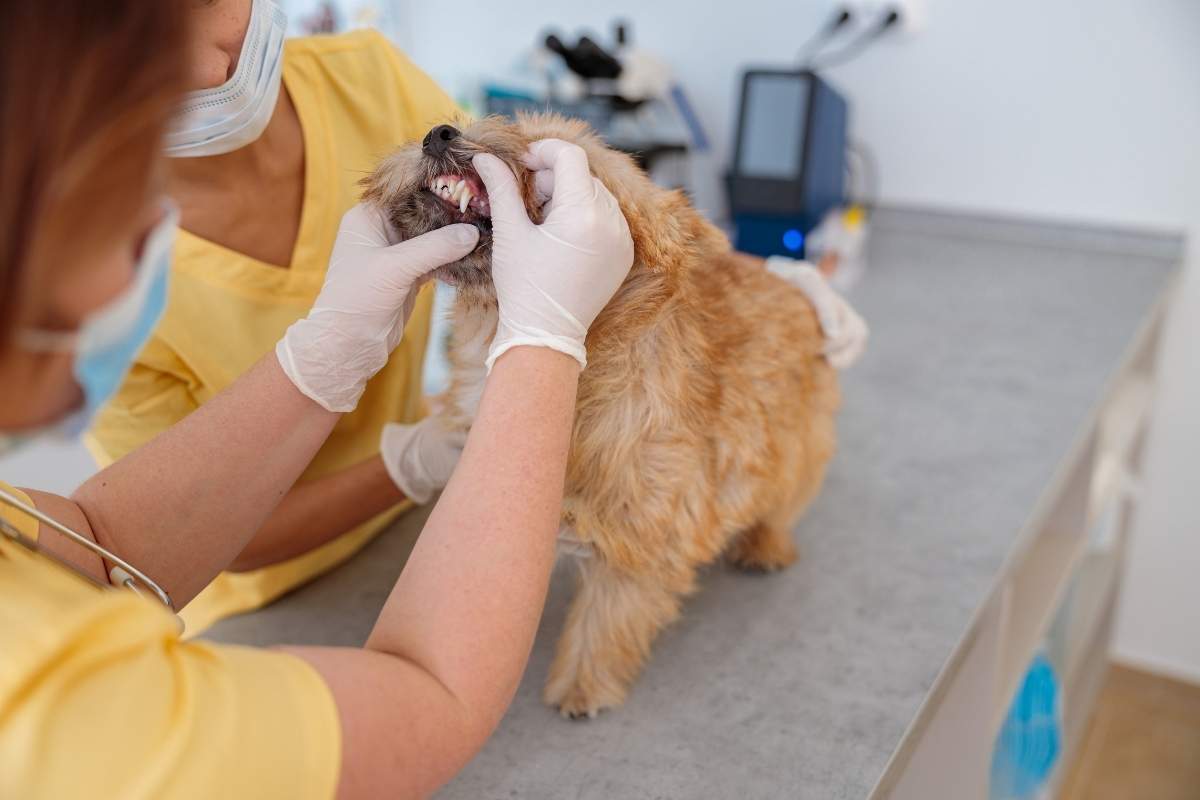
Dental health is a crucial yet often overlooked part of your pet’s overall well-being. Many pets develop dental disease without obvious symptoms in the early stages, making regular check-ups and awareness essential. At Hudson Highlands Veterinary Medical Group, veterinary professionals emphasize early detection and preventive care to help pets maintain healthy teeth and gums. For pet owners in Beacon, NY, and beyond, understanding the signs of dental disease can make a meaningful difference in your pet’s long-term health.
What Is Dental Disease in Pets?
Dental disease, also known as periodontal disease, is caused by the buildup of plaque and tartar on your pet’s teeth. Over time, this buildup leads to inflammation of the gums, infection, and potential damage to the teeth and supporting structures.
Without proper care, dental disease can progress and even affect major organs such as the heart, liver, and kidneys.
Early Signs of Dental Disease
Recognizing early symptoms is key to preventing more serious complications. Some of the first signs include:
- Persistent bad breath (often the first noticeable symptom)
- Yellow or brown tartar buildup on teeth
- Red or swollen gums
- Mild discomfort while eating
- Increased drooling
These symptoms may seem minor, but they often indicate the beginning stages of dental disease.
Advanced Symptoms to Watch For
As dental disease progresses, symptoms become more noticeable and severe:
- Difficulty chewing or dropping food
- Bleeding from the mouth or gums
- Loose or missing teeth
- Swelling around the face or jaw
- Pawing at the mouth or signs of pain
- Reduced appetite or weight loss
At this stage, professional evaluation and treatment are essential.
Causes of Dental Disease in Pets
Several factors contribute to the development of dental disease, including:
- Poor oral hygiene
- Lack of regular dental cleanings
- Diet (especially soft or sticky foods)
- Age (older pets are more prone)
- Breed predisposition (small breeds often have a higher risk)
Understanding these causes can help pet owners take preventive steps early.
Why Dental Health Matters
Dental disease doesn’t just affect the mouth – it can have systemic consequences. Bacteria from infected gums can enter the bloodstream and impact vital organs.
Maintaining proper oral health through pet dentistry helps:
- Prevent pain and discomfort
- Reduce the risk of infection
- Improve overall quality of life
- Support long-term health
Diagnosis and Treatment Options
Veterinarians use a combination of physical exams and diagnostic tools to assess dental health:
Dental Examination
A thorough oral exam checks for signs of plaque, gum disease, and tooth damage.
Professional Cleaning
Scaling and polishing remove tartar buildup and help restore oral health.
Dental X-rays
X-rays allow veterinarians to evaluate issues below the gum line that are not visible during a standard exam.
Tooth Extraction (if needed)
Severely damaged or infected teeth may need to be removed to prevent further complications.
Preventing Dental Disease in Pets
Prevention is the most effective way to protect your pet’s oral health. Here are some practical steps:
- Brush your pet’s teeth regularly using pet-safe toothpaste
- Provide dental chews or toys designed to reduce plaque
- Schedule routine dental check-ups
- Follow your veterinarian’s recommendations for professional cleanings
Consistent care is essential for maintaining healthy teeth and gums.
When to See a Veterinarian
If you notice any signs of dental disease, it’s important to seek professional care promptly. Early intervention can prevent more serious health issues and reduce the need for extensive treatment.
Contact us at Hudson Highlands Veterinary Medical Group to ensure your pet receives expert dental care and personalized treatment recommendations.
Frequently Asked Questions
Q1. How common is dental disease in pets?
Ans. Dental disease is very common, affecting a majority of pets by the age of three.
Q2. Can bad breath be a sign of dental problems?
Ans. Yes, persistent bad breath is often one of the earliest indicators of dental disease.
Q3. How often should I brush my pet’s teeth?
Ans. Ideally, daily brushing is recommended, but even a few times a week can make a difference.
Q4. Are dental cleanings safe for pets?
Ans. Yes, professional dental cleanings are safe and performed under anesthesia to ensure thorough and comfortable care.
Q5. What happens if dental disease is left untreated?
Ans. Untreated dental disease can lead to pain, tooth loss, and infections that may affect other organs.
Q6. Do all pets need professional dental care?
Ans. Yes, most pets benefit from regular dental exams and cleanings as part of their overall healthcare routine.