Pet parents want the best for their furry companions—from healthy skin and shiny coats to bright eyes and strong teeth. However, many overlook one critical part of their pet’s health: the mouth. Just like humans, dogs and cats need proper dental hygiene to prevent plaque buildup, gum disease, and tooth loss. Choosing the right toothpastes for dogs and cats is the first step toward maintaining healthy teeth and gums.
At Hudson Highlands Veterinary Medical Group, we often see pets with preventable dental issues. Fortunately, with the right products and routine, you can protect your pet’s teeth and gums at home. This guide is especially helpful for pet owners in Beacon, NY who want safe, effective dental solutions tailored to their community’s needs.
Why Dental Care Matters for Pets
First and foremost, dental health affects more than just your pet’s mouth. When plaque hardens into tartar, bacteria can enter the bloodstream. As a result, untreated dental disease may impact the heart, liver, and kidneys. Moreover, inflamed gums cause pain, bad breath, and difficulty chewing.
Therefore, consistent brushing with vet-approved toothpaste helps:
- Remove plaque from teeth
- Support healthy gums
- Reduce bad breath
- Prevent painful infections
In other words, brushing is not cosmetic—it’s essential.
Why You Should Never Use Human Toothpaste
Many pet owners assume they can share their own toothpaste with their dog or cat. However, this is unsafe. Human toothpaste often contains fluoride and xylitol, both of which are toxic to pets.
Unlike people, pets cannot spit toothpaste out. Consequently, they swallow it. Even small amounts of xylitol can cause a dangerous drop in blood sugar and liver failure in dogs. For this reason, always choose products specifically formulated for animals.
What Makes Toothpastes for Dogs and Cats Safe?
When shopping for toothpastes for dogs and cats, look for the following features:
1. Enzymatic Formula
Enzymatic toothpastes contain enzymes that break down plaque and bacteria. Because pets may resist brushing, these formulas continue working even after brushing stops.
2. Pet-Safe Ingredients
Safe toothpastes avoid fluoride, xylitol, and harsh foaming agents. Instead, they use mild abrasives and antibacterial agents designed for animal mouths.
3. Appealing Flavors
Chicken, beef, seafood, or malt flavors make brushing easier. As a result, pets are more likely to accept regular dental care.
Ingredients to Look For
To protect your pet’s teeth and gums, choose toothpastes that include:
- Glucose oxidase
- Lactoperoxidase
- Aloe vera for soothing gums
- Baking soda for gentle cleaning
These ingredients support oral health without irritating sensitive mouth tissues.
Ingredients to Avoid
On the other hand, avoid products containing:
- Xylitol
- Fluoride
- Artificial sweeteners
- Excessive alcohol
These substances may harm your pet’s teeth, gums, and overall health.
How to Brush Your Pet’s Teeth Properly
Even the best toothpaste will not work if you skip proper technique. Therefore, follow these simple steps:
- Start Slowly
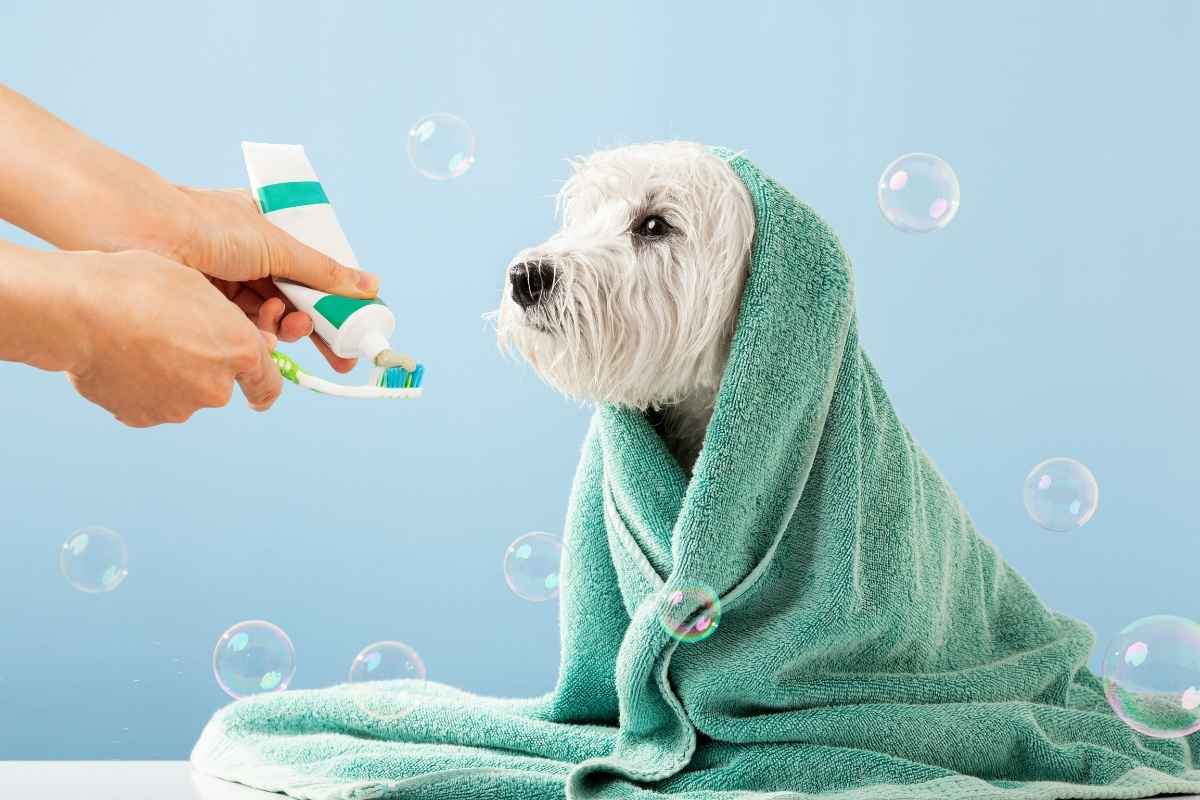
Let your pet taste a small amount of toothpaste from your finger. This builds trust. - Use a Pet Toothbrush
Choose a soft-bristled brush designed for pets’ teeth and gums. Finger brushes can also work for smaller mouths. - Lift the Lip Gently
Focus on the outer surfaces of the teeth where plaque builds up most. - Brush in Circular Motions
Spend at least 30 seconds on each side of the mouth. - Reward Immediately
Positive reinforcement strengthens cooperation.
Consistency is key. Ideally, brush daily. However, even brushing three times a week significantly improves oral health.
Signs Your Pet May Need Professional Dental Care
While home brushing helps, it does not replace professional cleanings. Watch for these warning signs:
- Red or bleeding gums
- Persistent bad breath
- Loose or broken teeth
- Drooling excessively
- Difficulty chewing
If you notice any of these symptoms, schedule an exam promptly. Early intervention prevents more serious complications.
The Role of Professional Veterinary Dental Care
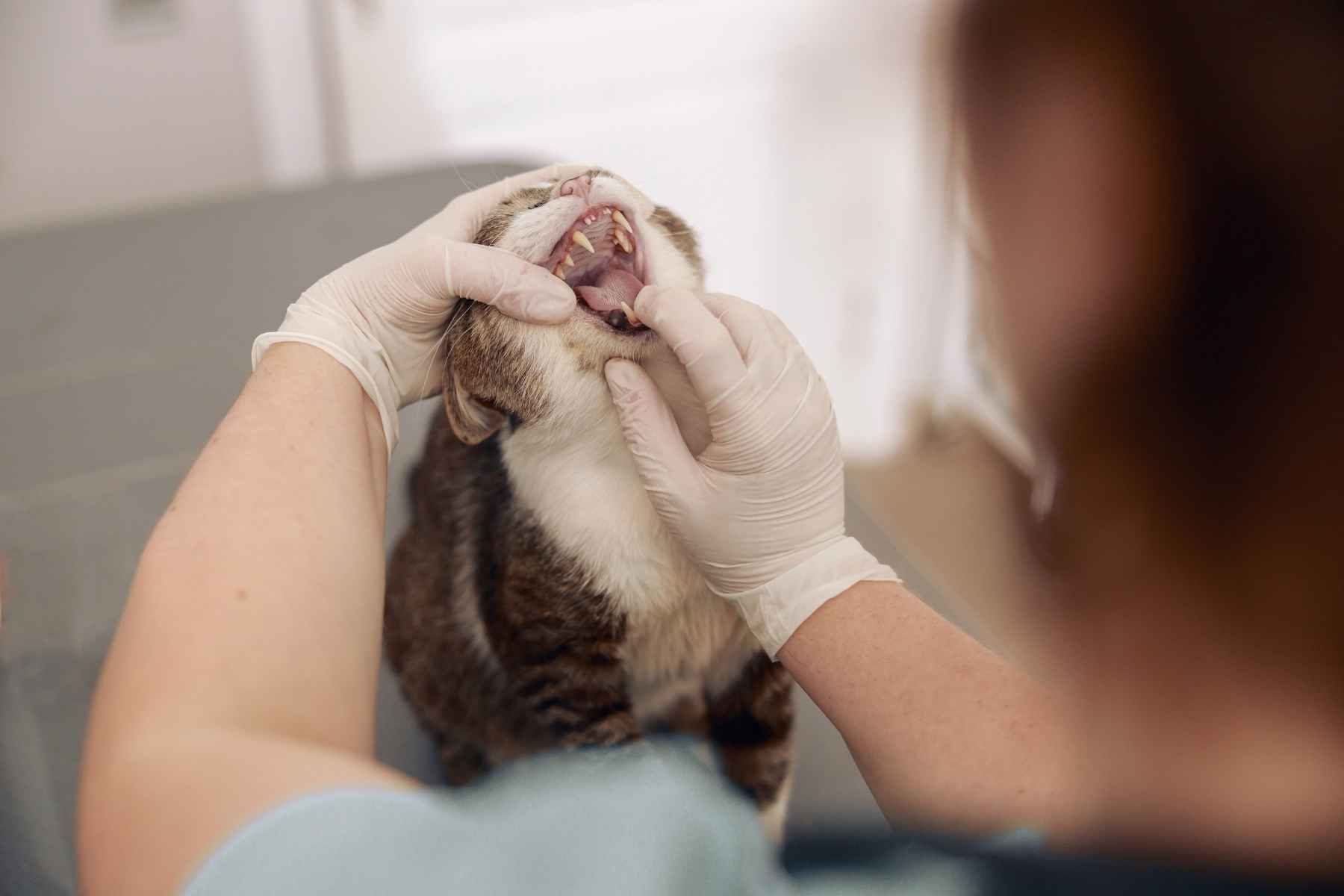
Although brushing at home is crucial, professional cleanings go deeper. During a dental procedure, your veterinarian removes tartar above and below the gumline. Additionally, dental X-rays detect hidden issues beneath the surface.
Professional veterinary dental care also includes evaluating the tongue, jaw, and surrounding tissues for abnormalities. Therefore, combining home brushing with annual exams provides comprehensive protection.
Choosing the Right Product for Your Pet
Not all pets have the same needs. For example:
- Puppies and kittens benefit from early introduction to brushing.
- Senior pets may require gentler formulas for sensitive gums.
- Breeds prone to dental disease often need more frequent cleanings.
Consulting your veterinarian ensures you choose the safest and most effective toothpaste for your pet’s teeth and gums.
Localized Pet Dental Care in Beacon
Living in a close-knit community means access to personalized veterinary support—pet owners in Beacon value preventive care and proactive health choices. By selecting vet-approved toothpastes for dogs and cats, you protect your companion’s smile while avoiding costly procedures later.
Furthermore, routine dental exams allow veterinarians to monitor changes in your pet’s mouth, teeth, and gums before they become serious problems.
Healthy teeth and gums contribute to your pet’s comfort, longevity, and overall well-being. By choosing safe, vet-approved toothpastes for dogs and cats, you actively protect their mouth from harmful bacteria and painful disease. Moreover, combining consistent brushing with professional exams creates a strong foundation for lifelong oral health.
If you’re in Beacon, NY and looking for a reliable veterinarian nearby, contact Hudson Highlands Veterinary Medical Group to help your pet get the professional dental support they deserve.
Frequently Asked Questions:
Q1. How often should I brush my dog’s or cat’s teeth?
Ans. Ideally, brush daily. However, brushing at least three times per week still helps reduce plaque.
Q2. Can I use baking soda alone on my pet’s teeth?
Ans. No. While baking soda is sometimes included in pet formulas, using it alone may upset your pet’s stomach.
Q3. What if my pet refuses brushing?
Ans. Start gradually. Use flavored toothpaste and reward cooperation. If resistance continues, ask your veterinarian for guidance.
Q4. Are dental chews a replacement for toothpaste?
Ans. Dental chews help reduce plaque, but do not replace brushing. They work best as a supplement.
Q5. At what age should I start brushing?
Ans. Begin during puppyhood or kittenhood. Early training makes lifelong care easier.
Q6. Is anesthesia necessary for professional cleanings?
Ans. Yes. Anesthesia allows thorough cleaning beneath the gumline and ensures safety during the procedure.