Your dog may eat normally, enjoy chew toys, and remain playful while dealing with a painful dental condition. Tooth resorption is one such problem that can develop without obvious warning signs. It gradually damages tooth structures and may cause discomfort that pet owners cannot easily recognize.
Unlike a visibly broken tooth, tooth resorption can begin beneath the gumline, making it difficult to detect during routine observation.
Understanding the symptoms, causes, and treatment options can help you protect your dog’s oral health. At our veterinary practice in Beacon, NY, we help pet owners recognize dental concerns and understand when professional evaluation is necessary.
What Is Tooth Resorption in Dogs?
Tooth resorption occurs when specialized cells called odontoclasts begin breaking down a tooth’s hard tissues. These cells gradually destroy structures such as cementum and dentin, sometimes affecting the crown or roots.
Although tooth resorption is more frequently diagnosed in cats, dogs can develop this condition. Some cases involve minor changes within the roots, while others cause significant structural damage and pain.
Unlike ordinary tooth decay, resorption involves the body’s own cells removing dental tissue. Once the tooth structure is lost, it cannot naturally regenerate.
What Causes Tooth Resorption in Dogs?
The exact cause of tooth resorption is not always clear. However, several factors may contribute to its development.
Periodontal Disease
Periodontal disease causes inflammation and damage to the tissues supporting teeth. Chronic inflammation may contribute to certain types of external tooth resorption. Dogs with advanced gum disease may develop additional dental complications.
Dental Injuries
Trauma from accidents, fractured teeth, or previous dental injuries may trigger changes affecting tooth roots. Not every damaged tooth develops resorption, but previous injuries can increase the need for dental monitoring.
Age-Related Dental Changes
Some older dogs develop replacement resorption, where root tissue gradually becomes replaced by bone-like material. These changes may not always cause pain or require extraction. Veterinary evaluation helps determine their significance.
What Are the Symptoms of Tooth Resorption in Dogs?
Tooth resorption can remain unnoticed because dogs often continue eating despite oral discomfort.
Common warning signs include:
- Difficulty chewing: Avoiding hard food or chewing on one side.
- Dropping food: Losing pieces of kibble while eating.
- Excessive drooling: Increased saliva due to oral discomfort.
- Bleeding gums: Inflammation around affected teeth.
- Persistent bad breath: Sometimes associated with additional dental disease.
- Behavioral changes: Avoiding chew toys or resisting mouth handling.
- Reduced appetite: Eating less when dental pain becomes significant.
These symptoms can also indicate fractured teeth, periodontal disease, or other oral conditions.
A dog may have tooth resorption without showing any noticeable symptoms. Therefore, normal eating habits do not necessarily indicate healthy teeth.
How Do Veterinarians Diagnose Tooth Resorption?
Diagnosing tooth resorption requires more than examining the visible surfaces of your dog’s teeth.
Reviewing Dental History
Our vets begin by discussing your dog’s eating habits, previous dental injuries, behavioral changes, and medical history. This information helps identify potential concerns and determine appropriate diagnostic steps.
Performing an Oral Examination
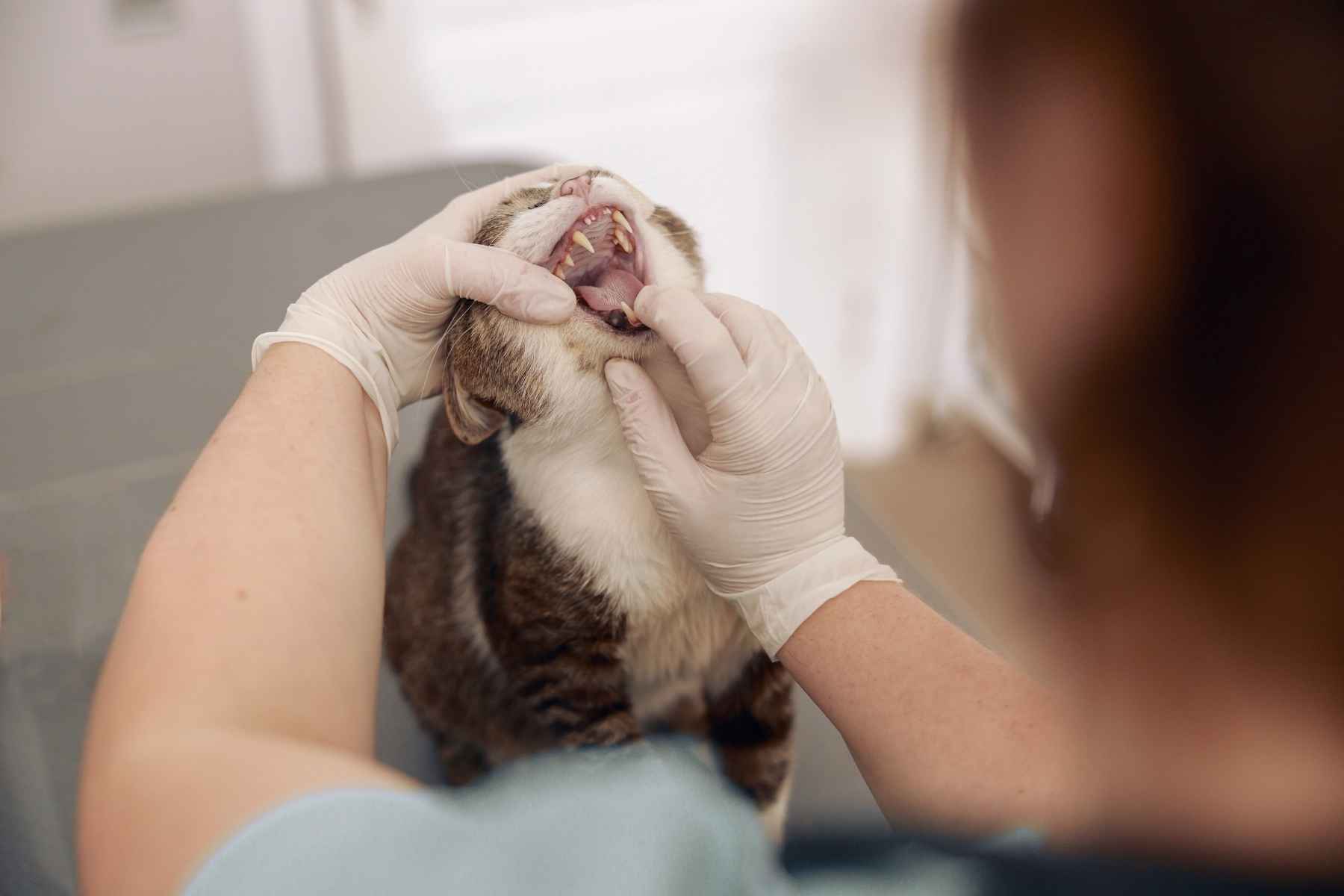
A visual examination may reveal gum inflammation, damaged teeth, or abnormalities near the gumline. However, significant portions of the teeth remain hidden beneath the gums. A complete dental examination generally requires anesthesia, allowing veterinarians to examine and probe the teeth thoroughly.
Taking Dental X-Rays
Dental radiographs are particularly important for identifying resorption beneath the gumline.
These images help veterinarians evaluate:
- Changes in tooth root structure
- Areas of missing dental tissue
- Root replacement by bone-like material
- Damage involving surrounding tissues
- Additional dental abnormalities
Digital dental X-rays also help distinguish different types of resorption and guide treatment decisions. Professional pet dental care involves evaluating both visible teeth and structures hidden beneath the gums.
What Are the Treatment Options for Dog Tooth Resorption?
Treatment depends on the type of resorption, severity of damage, presence of pain, and overall dental condition.
Monitoring Affected Teeth
Certain forms of root resorption may not cause discomfort or compromise the visible tooth. When the tooth remains stable and healthy, veterinarians may recommend periodic monitoring instead of immediate extraction. Follow-up dental examinations and radiographs help identify changes over time.
Extracting Damaged Teeth
Extraction may be necessary when tooth resorption causes significant pain, damages the crown, or occurs alongside serious periodontal disease. Removing a painful tooth can relieve discomfort and eliminate the affected structure. Our vets evaluate dental X-rays and surrounding tissues before determining whether extraction is appropriate.
Treating Additional Dental Problems
Dogs with tooth resorption may also develop gingivitis, plaque accumulation, or periodontal disease. Professional dental cleaning and appropriate treatment can address these accompanying conditions.
However, cleaning cannot reverse tooth resorption. Pain medications may help manage discomfort, but they do not restore damaged tooth structures.
What Happens After Tooth Resorption Treatment?
Recovery depends on the dental procedure and the number of teeth treated.
Dogs undergoing extractions may require:
- Soft food during initial healing
- Prescribed pain medication
- Temporary restrictions on hard chew toys
- Follow-up examinations when recommended
Our veterinary team provides postoperative instructions based on your dog’s individual needs. Many dogs return to normal eating and playing after healing. Some show improved behavior once painful teeth are removed. Contact your veterinarian if your dog experiences persistent bleeding, significant swelling, or difficulty eating after treatment.
Can Tooth Resorption Be Prevented?
There is no proven way to prevent every form of tooth resorption in dogs. However, maintaining dental health can help identify problems before they cause significant discomfort.
Recommended practices include:
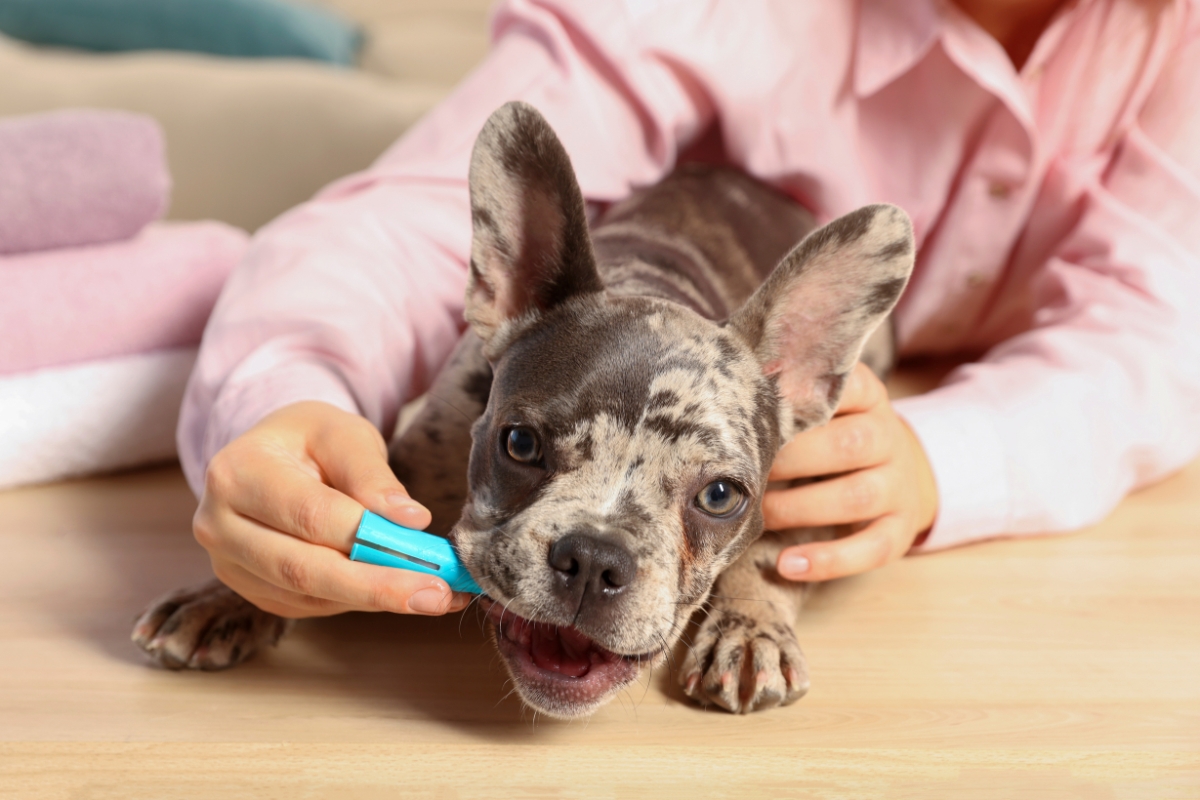
- Brushing regularly with dog-safe toothpaste
- Using veterinarian-approved dental products
- Scheduling routine veterinary oral examinations
- Monitoring changes in chewing and eating habits
- Following recommendations for professional dental evaluations
Consistent pet dental care helps manage plaque and periodontal inflammation, although it cannot guarantee prevention of resorptive lesions.
Why Are Regular Dental Examinations Important?
Tooth resorption may progress without obvious symptoms. Regular dental examinations allow veterinarians to identify concerns and determine whether additional diagnostics are necessary.
At our Beacon veterinary practice, we provide initial dental assessments. Dental procedures, including digital dental X-rays, professional cleanings, and necessary extractions, are performed at our Hopewell Junction facility.
Our vets help pet owners understand examination findings and available treatment options.
Protect Your Dog’s Smile Before Dental Pain Gets Worse
Your dog depends on healthy teeth for comfortable eating, chewing, and everyday activities. When tooth resorption develops unnoticed, these familiar routines may become painful.
Recognizing dental changes and seeking veterinary attention can help protect your dog’s comfort and oral health.
Contact our veterinary practice in Beacon at (845) 831-0672 to schedule your dog’s dental evaluation. Our team can help identify potential problems and recommend appropriate next steps.
Frequently Asked Questions
Q1. Is tooth resorption painful for dogs?
Ans. Yes, tooth resorption can cause pain when sensitive structures become exposed or inflammation develops. However, certain root changes may not cause noticeable discomfort.
Q2. Can tooth resorption heal naturally?
Ans. No. Lost tooth structure cannot regenerate. Some cases may remain stable with monitoring, while painful or severely damaged teeth may require extraction.
Q3. Can dogs eat normally after tooth extraction?
Ans. Yes. Most dogs adjust well after healing. Many return to normal eating habits, particularly when the extracted tooth previously caused discomfort.
Q4. Where can I get my dog evaluated for tooth resorption in Beacon?
Ans. Hudson Highlands Veterinary Medical Group – Beacon provides initial dental assessments. Dental procedures are performed at its Hopewell Junction facility when necessary.
Q5. Are dental X-rays available for dogs near Beacon?
Ans. Yes. Hudson Highlands Veterinary Medical Group – Beacon offers access to digital dental X-rays through its Hopewell Junction facility to identify hidden dental abnormalities.
Q6. How can I schedule a dental examination for my dog in Beacon?
Ans. Contact Hudson Highlands Veterinary Medical Group – Beacon at (845) 831-0672 to arrange an initial dental evaluation and discuss your dog’s symptoms.