Many cat owners notice unpleasant breath at some point, but persistent bad breath is often more than just a minor inconvenience. While occasional odor after eating may be normal, ongoing bad breath in cats can signal underlying dental disease, oral infections, or other medical conditions that require veterinary attention. Recognizing the causes and warning signs early can help prevent discomfort and protect your cat’s long-term health.
At Hudson Highlands Veterinary Medical Group, veterinarians regularly evaluate cats with bad breath as part of routine wellness care and oral health assessments. Understanding what contributes to oral odor can help pet owners identify when a problem may need professional treatment.
Cats are skilled at hiding discomfort, which means dental disease and oral pain often go unnoticed until symptoms become more advanced. Monitoring changes in your cat’s breath, eating habits, and behavior can help detect issues earlier. For pet owners in Hopewell Junction, NY, learning the common causes of bad breath in cats can support better preventive healthcare and improved feline wellness.
Is Bad Breath Normal in Cats?
Mild food-related odor may occasionally occur, but persistent foul-smelling breath is usually not considered normal in cats. Chronic bad breath, also called halitosis, is commonly linked to oral bacteria, plaque buildup, or medical problems affecting the mouth or internal organs.
Ignoring bad breath may allow underlying disease to progress, increasing the risk of pain, tooth loss, or systemic health complications.
Common Causes of Bad Breath in Cats
Dental Disease
Dental disease is one of the leading causes of bad breath in cats. Plaque and tartar buildup along the teeth and gums allow bacteria to multiply, creating unpleasant odors.
Common dental problems include:
- Gingivitis
- Periodontal disease
- Tooth decay
- Infected teeth
Without treatment, dental disease can lead to gum inflammation, pain, and tooth loss.
Oral Infections and Ulcers
Mouth infections, sores, or ulcers may cause a strong oral odor and discomfort. Cats with oral pain may avoid eating hard food or paw at their mouths.
Kidney Disease
Kidney disease can sometimes cause a chemical or ammonia-like odor in a cat’s breath. This occurs because toxins build up in the bloodstream when the kidneys are not functioning properly.
Diabetes
Cats with uncontrolled diabetes may develop sweet-smelling or fruity breath due to elevated ketone levels. This can indicate a serious medical emergency requiring immediate veterinary care.
Foreign Objects in the Mouth
Occasionally, small objects or food particles become trapped between teeth or inside the mouth, leading to irritation, infection, and odor.
Diet and Poor Oral Hygiene
Diet alone rarely causes severe bad breath, but inadequate oral hygiene can contribute to bacterial buildup and plaque accumulation over time.
Warning Signs That May Accompany Bad Breath
Bad breath often appears alongside other symptoms that may indicate dental or medical disease.
Difficulty Eating
Cats with oral pain may chew slowly, drop food, or avoid dry kibble.
Drooling
Excessive drooling can occur when dental disease, ulcers, or infections cause mouth irritation.
Red or Bleeding Gums
Inflamed gums are a common sign of gingivitis and periodontal disease.
Pawing at the Mouth
Cats experiencing oral discomfort may rub or paw at their face frequently.
Weight Loss
Difficulty eating due to mouth pain can lead to reduced appetite and gradual weight loss.
Behavioral Changes
Cats with chronic pain may become withdrawn, irritable, or less active than usual.
How Veterinarians Diagnose the Cause
Veterinarians diagnose the cause of bad breath through physical examinations and oral assessments. Depending on symptoms, additional testing may include:
- Dental X-rays
- Blood tests
- Urine testing
- Oral examinations under anesthesia
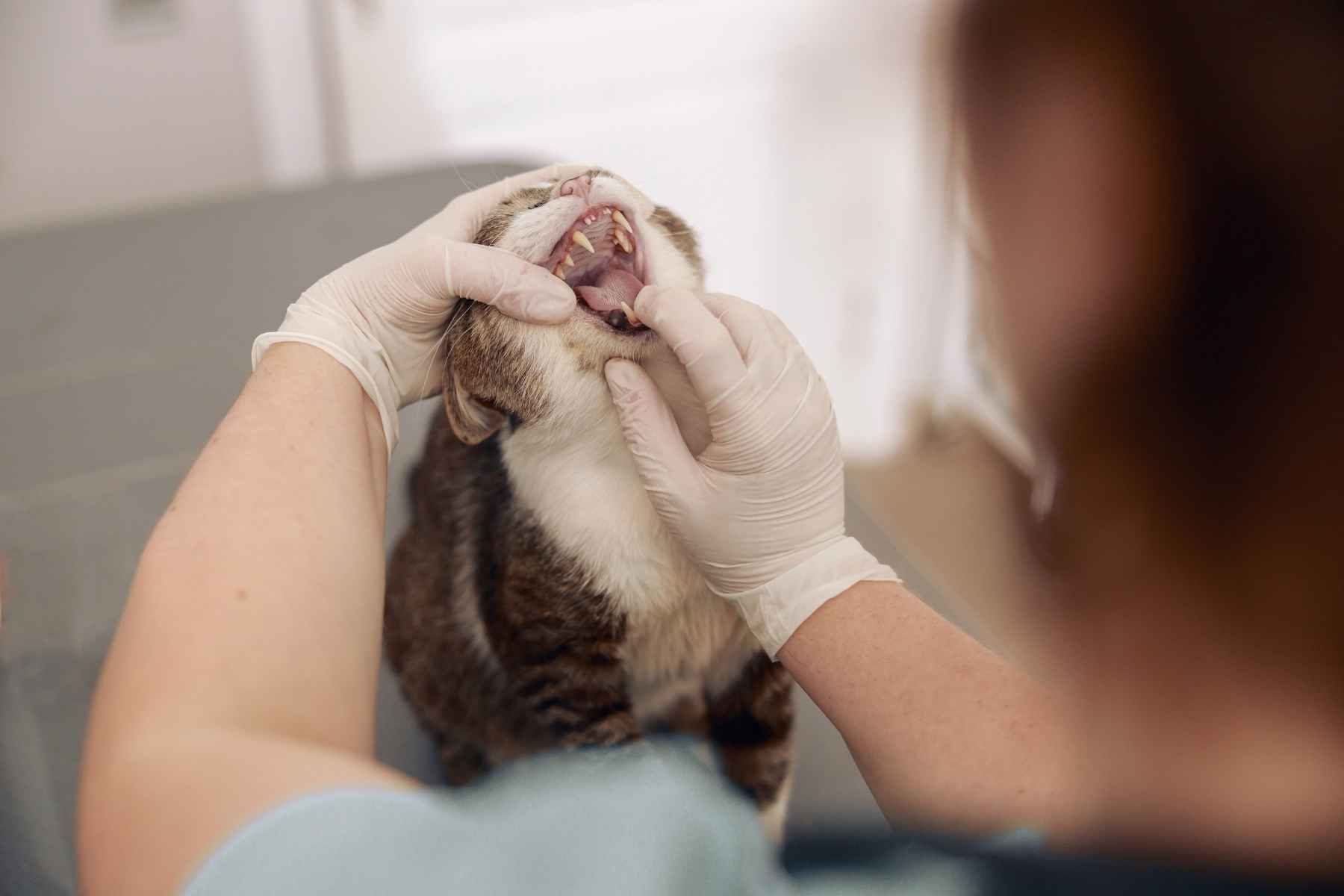
These evaluations help identify dental disease, infections, or underlying medical conditions contributing to oral odor.
Treatment Options for Bad Breath in Cats
Treatment depends on the underlying cause and severity of the condition.
Professional Dental Cleaning
Dental cleanings remove plaque and tartar buildup above and below the gumline.
Tooth Extractions
Severely damaged or infected teeth may need removal to relieve pain and prevent the spread.
Antibiotics or Medications
Oral infections or inflammation may require medications to reduce bacteria and discomfort.
Managing Underlying Medical Conditions
Conditions such as kidney disease or diabetes require ongoing medical management to improve overall health and reduce associated symptoms.
Routine pet dental care also plays an important role in reducing plaque buildup and maintaining healthier gums over time.
Preventing Bad Breath in Cats
Preventive healthcare can help lower the risk of oral disease and chronic bad breath.
Schedule Routine Dental Exams
Regular veterinary checkups allow for early detection of dental issues before they become severe.
Brush Your Cat’s Teeth
Brushing with veterinarian-approved toothpaste can help reduce plaque accumulation.
Provide Dental-Friendly Diets or Treats
Some diets and dental products are designed to support oral health and reduce tartar buildup.
Monitor Eating and Behavioral Changes
Changes in appetite, chewing habits, or activity levels should be evaluated promptly.
Consistent pet dental care and routine wellness visits can improve oral health and reduce the likelihood of serious dental disease.
When to Contact a Veterinarian
Cat owners should seek veterinary evaluation if bad breath is persistent or accompanied by symptoms such as:
- Bleeding gums
- Difficulty eating
- Drooling
- Weight loss
- Swelling around the mouth
- Behavioral changes
Early treatment can improve comfort, prevent complications, and support better overall health outcomes.
Supporting Better Oral Health for Cats
Bad breath in cats is often a sign of underlying dental or medical issues that should not be ignored. Routine veterinary exams, professional dental care, and early treatment can help protect your cat’s oral health and overall well-being.
If you’re in Hopewell Junction, NY, and need guidance from a veterinarian near you on your cat’s oral health, Hudson Highlands Veterinary Medical Group provides dental evaluations, wellness exams, and personalized feline healthcare support. Our team can help identify the cause of your cat’s bad breath and recommend treatment options tailored to their specific needs. Contact us today to learn more about maintaining your cat’s long-term dental health and comfort.
FAQs
Q1. Is bad breath in cats always caused by dental disease?
Ans. No. While dental disease is common, bad breath can also result from kidney disease, diabetes, oral infections, or foreign objects in the mouth.
Q2. How can I tell if my cat has dental problems?
Ans. Signs may include bad breath, drooling, red gums, difficulty eating, pawing at the mouth, and changes in eating behavior or activity levels.
Q3. Can bad breath in cats become serious?
Ans. Yes. Untreated dental disease and underlying medical conditions may lead to pain, infection, tooth loss, and broader health complications over time.
Q4. How often should cats receive dental checkups?
Ans. Most cats benefit from annual veterinary dental evaluations, although some may require more frequent monitoring depending on age and oral health condition.
Q5. Can brushing my cat’s teeth help reduce bad breath?
Ans. Yes. Regular tooth brushing with veterinarian-approved toothpaste can help reduce plaque buildup and improve overall oral hygiene in cats.
Q6. When should I contact a veterinarian about my cat’s bad breath?
Ans. Seek veterinary care if bad breath persists or occurs alongside drooling, appetite changes, bleeding gums, swelling, or noticeable behavioral changes.