Dental disease affects approximately 70% of cats by age three, causing pain, infections, and serious health complications. Most cat owners recognize the importance of oral hygiene, yet feel intimidated by the prospect of brushing their feline’s teeth. The good news? Getting started doesn’t require expensive specialty supplies.
Learning to brush your cat’s teeth in 5 easy steps protects their oral health while preventing costly veterinary interventions. With patience and household items, you can establish dental care routines that keep your cat’s mouth healthy for years.
In this practical guide, we’ll walk you through simple techniques using tools you likely already own. Your feline companion deserves a pain-free mouth and fresh breath. Let’s make cat dental care accessible and achievable!
Why Cat Dental Care Matters
The Hidden Dangers of Neglected Teeth
Cats instinctively hide pain, making dental problems difficult to detect until conditions become severe. Untreated oral disease causes significant suffering while threatening overall health.
Neglected dental health leads to:
- Painful gingivitis and periodontal disease
- Tooth resorption requiring extractions
- Bacterial infections spreading to organs
- Difficulty eating causes weight loss
- Chronic discomfort diminishing quality of life
Prevention through regular brushing avoids these painful outcomes entirely.
Benefits of Regular Brushing
Consistent dental care provides cumulative benefits, protecting your cat throughout their lifetime. Even imperfect brushing offers significant advantages.
Regular brushing provides:
- Reduced plaque and tartar accumulation
- Fresher breath improving close interactions
- Early detection of oral abnormalities
- Decreased professional cleaning frequency
- An extended lifespan through better health
The caring team at Hudson Highlands Veterinary Medical Group emphasizes that home dental care dramatically improves long-term oral health outcomes.
Household Tools You Can Use
Suitable Brushing Alternatives
While pet toothbrushes work wonderfully, several household items serve effectively for cats resistant to traditional brushes.
Effective alternatives include:
- Gauze squares: Wrap around your finger for gentle scrubbing.
- Soft washcloths: Cut into small squares for easy handling.
- Cotton swabs: Useful for reaching specific problem areas.
- Finger cots: Provide grip while protecting your finger.
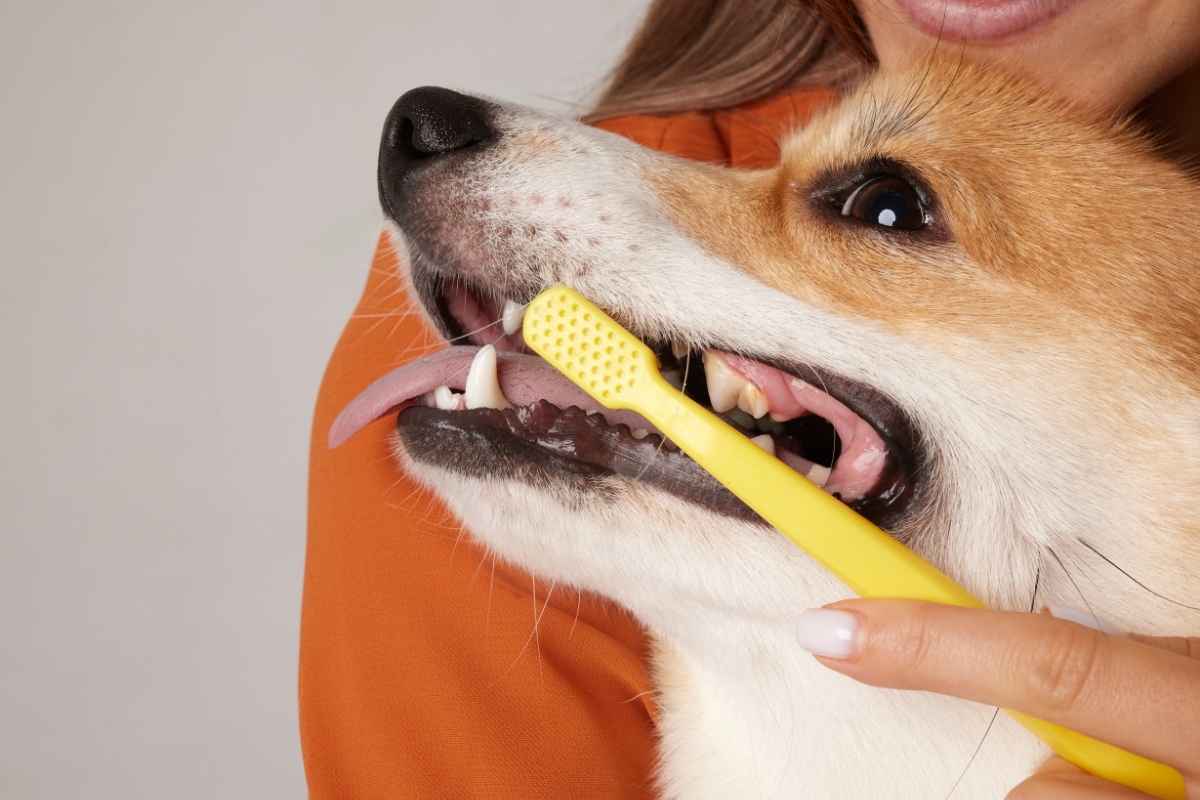
- Soft baby toothbrushes: Gentle bristles suit feline mouths perfectly.
These accessible options eliminate excuses for delaying dental care.
Safe Cleaning Solutions
Never use human toothpaste on cats—fluoride and other ingredients prove toxic to felines. However, safe alternatives exist in your kitchen.
Safe options include:
- Plain water for basic plaque removal
- Low-sodium chicken broth for flavor appeal
- Commercial cat toothpaste, when available
- Coconut oil in small amounts
Always verify ingredient safety before introducing any substance to your cat’s mouth.
The 5 Easy Steps to Brushing Success
Step 1: Create Positive Associations
Before attempting actual brushing, help your cat develop comfortable feelings about mouth handling. Rushing this phase creates lasting resistance.
Building positive associations involves:
- Offering treats while touching your cat’s face gently
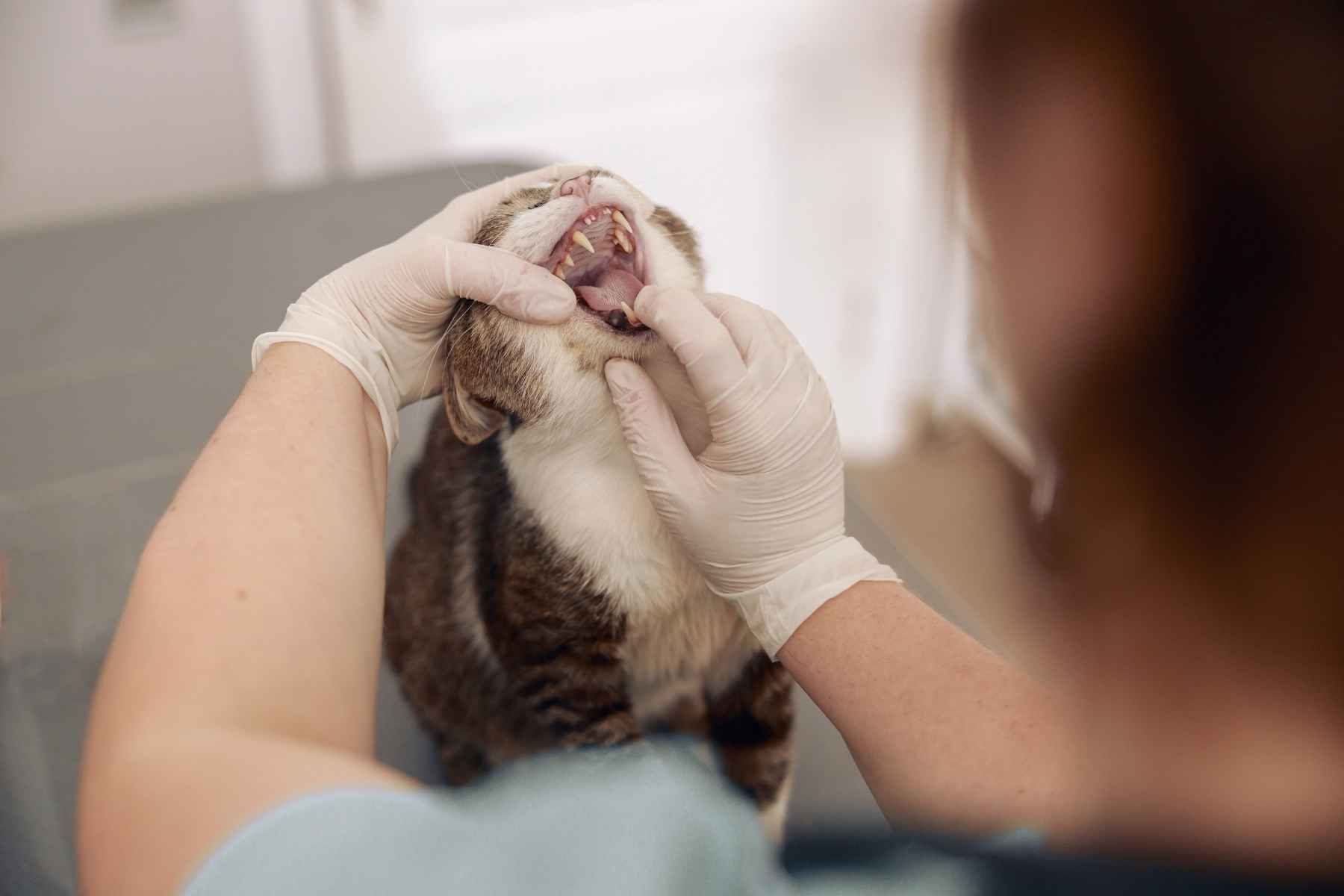
- Gradually lifting lips to expose teeth briefly
- Rewarding calm behavior with praise and food
- Practicing during relaxed, quiet moments
- Progressing slowly over several days
Patience during this foundation-building phase ensures long-term cooperation.
Step 2: Introduce the Cleaning Tool
Once your cat accepts mouth handling comfortably, introduce your chosen brushing tool gradually. Let them investigate and become familiar with it.
Tool introduction tips include:
- Allow sniffing and exploration without pressure
- Touch the tool to your lips without brushing initially
- Add tasty flavoring, encouraging positive associations
- Keep sessions brief and stress-free
- Reward acceptance generously with treats
Familiarity reduces fear and resistance significantly.
Step 3: Focus on Outer Tooth Surfaces
Cats’ tongues naturally clean inner tooth surfaces, making outer surfaces your primary focus. This simplifies the brushing process considerably.
An effective technique involves:
- Lifting the lip gently to expose teeth
- Holding the brush at a 45-degree angle
- Using gentle circular motions along gumlines
- Focusing particularly on back molars
- Working quickly but thoroughly
Most effective brushing sessions last only 30-60 seconds.
Step 4: Establish a Consistent Routine
Regularity matters more than perfection in dental care. Establishing predictable routines helps cats anticipate and accept brushing more readily.
Routine-building strategies include:
- Brushing at the same time daily when possible
- Choosing moments when your cat feels calm
- Keeping supplies accessible for convenience
- Making brushing part of regular bonding time
Trusted providers of pet dental care hopewell junction residents rely upon recommended daily brushing for optimal results.
Step 5: End Every Session Positively
Regardless of how brushing proceeds, always conclude sessions on a positive note. Negative endings create resistance toward future attempts.
Positive session endings include:
- Offering favorite treats immediately after brushing
- Providing praise and affection generously
- Engaging in enjoyable play activities
- Keeping your demeanor calm and encouraging
Positive associations build cooperative dental care partners.
Troubleshooting Common Challenges
Cats Who Resist Mouth Handling
Some cats initially reject any mouth-touching attempts. Patient desensitization usually overcomes this resistance eventually.
Strategies for resistant cats include:
- Slowing the introduction process significantly
- Using higher-value treat rewards
- Trying different times when cats feel calmer
- Consulting veterinarians about behavioral approaches
Never force brushing on severely stressed cats.
Managing Difficult-to-Reach Areas
Back teeth accumulate the most tartar yet prove hardest to reach. Strategic positioning helps access these critical areas.
Access improvement tips include:
- Approaching from the side rather than the front
- Using smaller brushing tools for back molars
- Focusing on reachable areas rather than forcing access
- Accepting partial brushing over no brushing
Frequently Asked Questions:
Q1: Can I use baking soda to clean my cat’s teeth?
Ans: No. Baking soda has a high sodium content, which can upset a cat’s delicate chemical balance if swallowed. It also tastes terrible to them, which will ruin your training progress.
Q2: How often do I really need to brush?
Ans: Daily is the goal. Plaque hardens into tartar within 24 to 48 hours. If you only brush once a week, you aren’t doing much to prevent that hardening process. Aim for at least 3 times a week for real benefits.
Q3: My cat bites me when I try this. What should I do?
Ans: Stop immediately. Your safety comes first. Consult your vet about using water additives or prescription dental diets that scrub the teeth as the cat chews, which are better options for aggressive cats.
Q4: Does dry food clean my cat’s teeth?
Ans: Generally, no. Most kibble shatters on impact and is swallowed whole. It does not provide enough abrasion to clean the teeth. Only specifically designed prescription dental diets work for this purpose.
Q5: Is it too late to start brushing an older cat’s teeth?
Ans: It is never too late, provided their mouth is healthy. Have a vet check them first. If they have painful loose teeth, brushing will hurt. Fix the teeth first, then start the routine.
Q6: Why do cats get tooth resorption (FORLs)?
Ans: The cause is still largely unknown, but it is extremely common. The body attacks the tooth root, turning it into bone. It is very painful and requires extraction, which is why annual vet exams are so important.t is very painful and requires extraction, which is why annual vet exams are so important.