Learning that your beloved pet requires surgery naturally triggers concern, anxiety, and countless questions. Whether facing routine procedures or complex operations, understanding what lies ahead helps you prepare mentally and practically for this significant healthcare event.
Knowing what pet owners should know before scheduling surgery empowers you to make informed decisions while ensuring optimal outcomes. Proper preparation reduces complications, speeds recovery, and eases stress for both you and your furry companion.
In this comprehensive guide, we’ll explore essential considerations before your pet undergoes any surgical procedure. From pre-surgical testing to recovery planning, preparation makes all the difference. Let’s ensure you’re completely ready for your pet’s upcoming surgery!
Understanding Why Surgery Becomes Necessary:
Common Reasons for Pet Surgery
Veterinarians recommend surgical intervention for various conditions ranging from routine preventive procedures to life-saving emergency operations.
Common surgical procedures include:
- Spaying and neutering for reproductive health
- Mass or tumor removal for diagnosis and treatment
- Orthopedic repairs for fractures and ligament injuries
- Dental extractions addressing severe oral disease
- Foreign body removal from the digestive tracts
- Emergency surgeries for trauma or acute conditions
Each procedure type carries specific considerations affecting preparation and recovery.
When Surgery Becomes the Best Option
Surgical intervention represents significant medical decisions that veterinarians never recommend lightly. Understanding when surgery offers advantages helps owners appreciate recommendations.
Surgery typically proves best when:
- Conservative treatments have failed or aren’t appropriate
- Conditions will worsen without surgical intervention
- Quality of life improvements justify surgical risks
- Early intervention prevents disease progression
- Emergency situations demand immediate action
Essential Pre-Surgical Considerations:
The Importance of Pre-Surgical Testing
Before any anesthetic procedure, comprehensive testing ensures your pet can safely undergo surgery. These evaluations reveal hidden conditions that could complicate procedures.
Pre-surgical testing typically includes:
- Complete blood count assessing cell populations
- Chemistry panels evaluating organ function
- Urinalysis measuring kidney health
- Electrocardiograms detect heart abnormalities
- Chest radiographs, when indicated
Never skip recommended pre-surgical testing regardless of your pet’s apparent health.
Fasting Requirements Before Surgery
Most surgical procedures require fasting beforehand to prevent dangerous complications during anesthesia. Following fasting instructions precisely protects your pet’s safety.
Typical fasting guidelines include:
- No food after midnight before morning surgeries
- Water is usually permitted until a few hours before
- Specific instructions for diabetic or young pets
- Medication administration guidance for ongoing prescriptions
Your veterinary team provides specific instructions tailored to your pet’s procedure and health status.
For more guidance on preparing your pet for medical procedures, explore our comprehensive surgical preparation guide covering essential pre-operative steps for successful outcomes.
Discussing Anesthesia Concerns
Anesthesia naturally worries pet owners, but modern veterinary protocols ensure remarkable safety. Understanding anesthesia helps alleviate unnecessary fears.
Important anesthesia considerations include:
- Pre-anesthetic medications reduce anxiety
- Intravenous access for fluid support
- Continuous monitoring throughout procedures
- Temperature regulation, preventing hypothermia
- Pain management protocols ensuring comfort
Questions to Ask Before Surgery:
Understanding the Procedure
Informed consent requires understanding what your pet will experience. Never hesitate to ask questions until you feel completely comfortable.
Important questions include:
- What exactly will the surgery involve?
- How long will the procedure take?
- What are the expected outcomes?
- What complications could potentially occur?
- Who will perform the surgery?
Reputable veterinary teams welcome thorough questioning from concerned owners.
Clarifying Recovery Expectations
Understanding post-surgical care requirements before surgery helps you prepare appropriately. Recovery needs vary significantly between procedure types.
Recovery questions to ask include:
- How long will recovery take?
- What activity restrictions apply?
- What medications will be prescribed?
- What signs indicate complications?
- When should follow-up appointments occur?
Knowing expectations beforehand prevents surprises during stressful recovery periods.
Preparing Your Home for Recovery:
Creating Comfortable Recovery Spaces
Before surgery day, prepare quiet, comfortable areas where your pet can recover peacefully. Proper environments support healing significantly.
Recovery space considerations include:
- Quiet locations away from household activity
- Comfortable bedding at floor level
- Easy access to water and food
- Confinement options preventing excessive movement
- Temperature-controlled environments
Preparation beforehand allows you to focus entirely on your pet post-surgery.
Gathering Necessary Supplies
Having essential supplies ready before surgery eliminates stressful last-minute shopping. Anticipate needs based on your veterinarian’s guidance.
Helpful recovery supplies include:
- Prescribed medications from your veterinary clinic
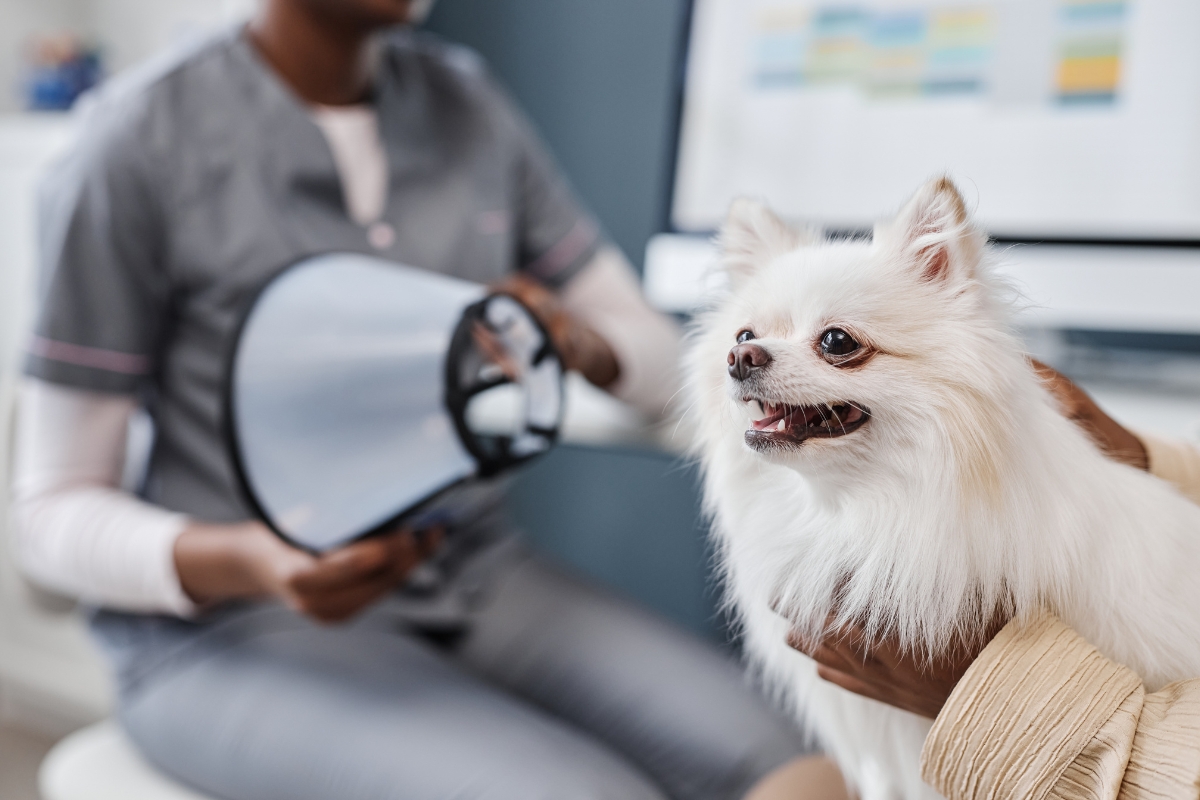
- Elizabethan collars prevent incision interference
- Easily digestible food for post-anesthetic feeding
- Extra bedding for potential accidents
- Contact information for emergency after-hours care
Advance preparation demonstrates responsible pet ownership.
Choosing the Right Surgical Team
Ultimately, the most important decision you make happens before you even book the appointment: choosing the right facility. You want a team that prioritizes pain management, uses advanced monitoring equipment, and communicates clearly.
For pet owners seeking reliable veterinary surgery beacon residents trust, it is essential to look for a clinic that walks you through the entire process, from the pre-op exam to the discharge instructions. Transparency is the hallmark of high-quality care.
At Hudson Highlands Veterinary Medical Group, patient safety is the top priority. The team utilizes state-of-the-art technology to monitor your pet closely,
Frequently Asked Questions:
Q1: How far in advance should I schedule my pet’s surgery?
Ans: Schedule elective surgeries several weeks ahead when possible. This allows time for pre-surgical testing, preparation, and arranging your schedule for post-operative care.
Q2: Is pre-surgical bloodwork really necessary for young, healthy pets?
Ans: Yes, pre-surgical testing reveals hidden conditions that physical examination cannot detect. Even apparently healthy pets may have underlying issues affecting anesthesia safety.
Q3: Can I stay with my pet during surgery?
Ans: Owners typically cannot remain in surgical suites due to sterility requirements and liability concerns. However, you can usually stay during pre-surgical preparation and post-operative recovery.
Q4: What happens if I accidentally feed my pet before surgery?
Ans: Contact your veterinary clinic immediately. Surgery may need rescheduling to prevent aspiration risks during anesthesia. Never hide accidental feeding from your veterinary team.
Q5: How do I know if my pet is experiencing pain after surgery?
Ans: Watch for restlessness, vocalization, appetite changes, reluctance to move, or aggression when touched. Contact your veterinarian if you suspect inadequate pain control.
Q6: When should I call the vet after my pet’s surgery?
Ans: Call immediately for excessive bleeding, breathing difficulties, severe lethargy, vomiting, or any concerning changes. When uncertain, always err toward calling rather than waiting.