Surgery can be a critical step in restoring your pet’s health, whether it’s a routine procedure or a more complex operation. While most pets recover smoothly, it’s important for pet owners to understand that complications can sometimes arise during the recovery period. At Hudson Highlands Veterinary Medical Group, pet owners are guided through every stage of recovery, including how to recognize early warning signs after veterinary surgery. For those in Beacon, NY, and pet owners everywhere, staying informed can help ensure a safe and comfortable healing process for any pet recovering from surgery.
Why Monitoring After Surgery Is Important
The period following surgery is just as important as the procedure itself. Proper monitoring helps:
- Detect complications early
- Prevent minor issues from becoming serious
- Support faster and smoother healing
- Reduce the risk of re-hospitalization
Even with the best care, pets may experience unexpected reactions, making it essential to stay vigilant at home.
Common Post-Surgery Complications in Pets
Understanding potential complications can help you act quickly if something seems off. Here are the most common issues to watch for:
1. Infection at the Surgical Site
One of the most common complications is infection. Signs may include:
- Redness or swelling around the incision
- Warmth or discharge (pus)
- Foul odor
- Increased pain or sensitivity
Early treatment is key to preventing the infection from spreading.
2. Excessive Swelling or Bleeding
Some swelling is normal after surgery, but excessive swelling or continuous bleeding is not. Contact your veterinarian if you notice:
- Persistent bleeding
- Rapidly increasing swelling
- Bruising that worsens over time
3. Opening of the Incision (Dehiscence)
If your pet licks, chews, or scratches the surgical site, the incision may reopen. This is a serious complication that requires immediate attention.
Using an Elizabethan collar (cone) can help prevent this behavior.
4. Loss of Appetite or Vomiting
It’s normal for pets to have a slightly reduced appetite immediately after surgery. However, ongoing refusal to eat, vomiting, or diarrhea may indicate complications such as infection or medication side effects.
5. Lethargy or Behavioral Changes
While rest is important, extreme lethargy or unusual behavior – such as aggression, hiding, or disorientation can signal pain or underlying issues.
6. Difficulty Breathing or Mobility Issues
Breathing problems or difficulty standing, walking, or moving comfortably should never be ignored. These symptoms may point to serious complications that require urgent care.
Warning Signs That Require Immediate Veterinary Attention
Contact your veterinarian right away if your pet shows any of the following:
- Persistent vomiting or diarrhea
- High fever
- Severe pain or whining
- Pale gums or signs of shock
- Sudden collapse or weakness
- Continuous bleeding
Prompt action can make a significant difference in your pet’s recovery outcome.
How to Support a Safe Recovery at Home
Post-operative care plays a major role in preventing complications. Follow these tips to help your pet heal properly:
Follow Medication Instructions
Always administer prescribed medications exactly as directed. Skipping doses or stopping early can lead to complications.
Limit Activity
Restrict your pet’s movement to prevent strain on the surgical site. Avoid running, jumping, or rough play until your veterinarian gives clearance.
Keep the Incision Clean and Dry
Monitor the incision daily and avoid bathing your pet unless instructed.
Use Protective Devices
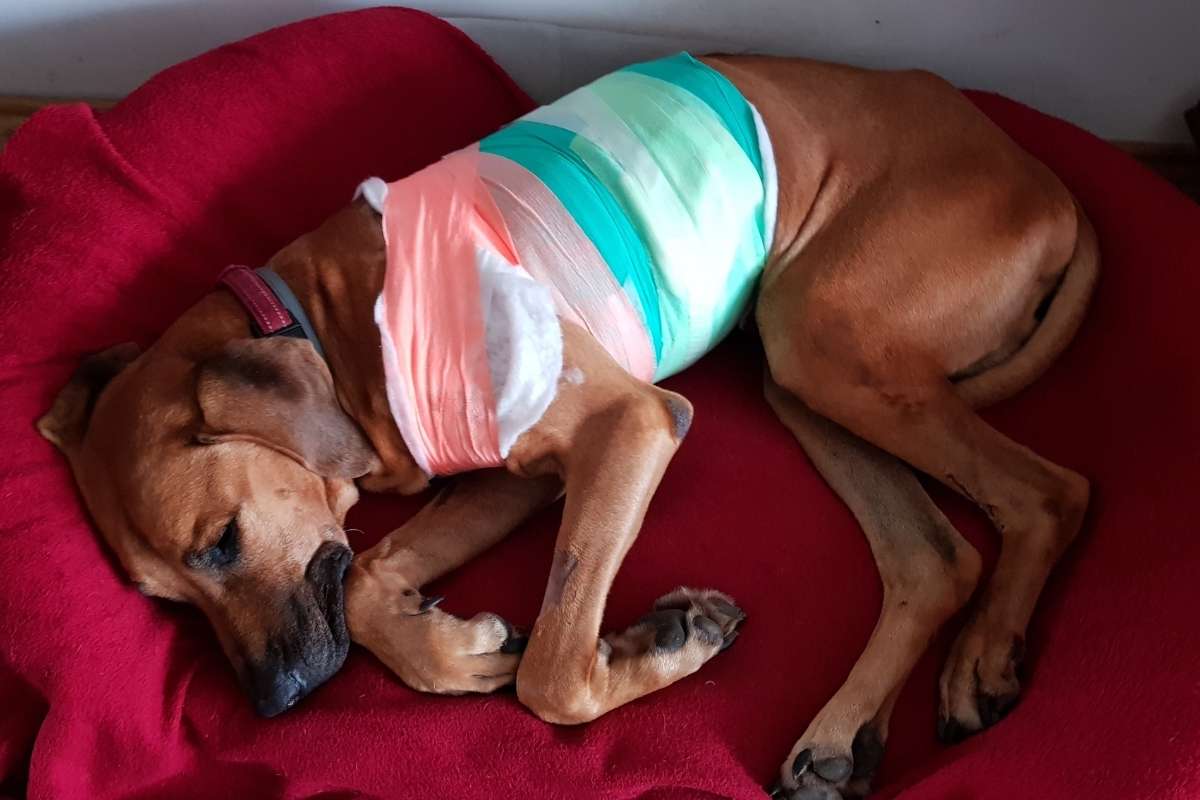
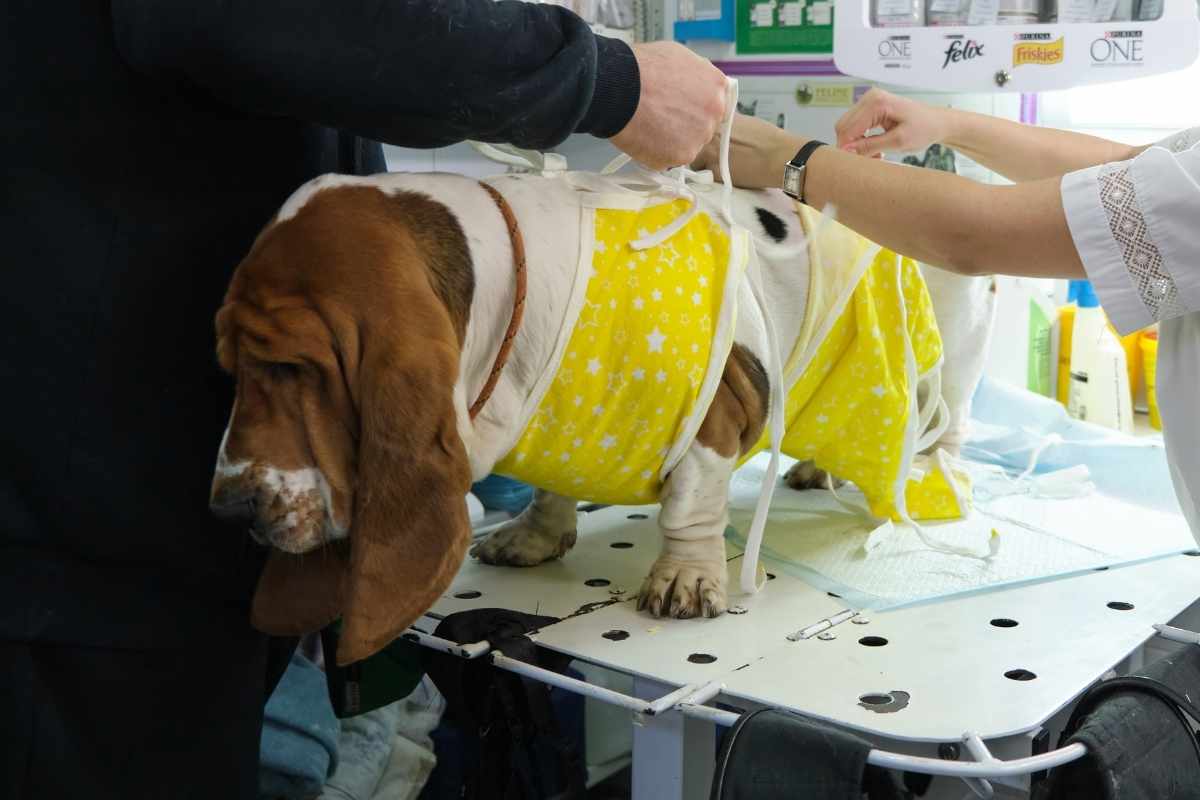
E-collars or recovery suits can prevent your pet from interfering with the incision.
Attend Follow-Up Appointments
Regular check-ups allow your veterinarian to assess healing and address concerns early.
The Role of Proper Post-Surgical Care
Effective post-surgical care is essential for minimizing risks associated with veterinary surgery. Pet owners who stay attentive and proactive are more likely to notice subtle changes that could indicate a problem. Communication with your veterinarian is key to ensuring your pet’s recovery stays on track.
When to Contact Your Veterinarian
If you’re unsure whether a symptom is normal or concerning, it’s always best to err on the side of caution. Contact us at Hudson Highlands Veterinary Medical Group for guidance and support throughout your pet’s recovery journey.
Frequently Asked Questions:
Q1. How long does it take for a pet to recover after surgery?
Ans. Recovery time varies depending on the procedure, but most pets begin to improve within a few days and fully recover within 10–14 days.
Q2. Is it normal for my pet to sleep more after surgery?
Ans. Yes, increased rest is normal, but excessive lethargy or difficulty waking should be evaluated by a veterinarian.
Q3. How do I know if the incision is healing properly?
Ans. A healing incision should be clean, dry, and free from redness, swelling, or discharge.
Q4. Can my pet eat normally after surgery?
Ans. Most pets can resume normal eating within 24 hours, but follow your veterinarian’s specific feeding instructions.
Q5. What should I do if my pet removes stitches?
Ans. Contact your veterinarian immediately, as this may require medical attention to prevent infection or reopening of the wound.
Q6. When should I schedule a follow-up visit?
Ans. Follow-up visits are typically scheduled within 7–14 days after surgery, depending on the procedure.