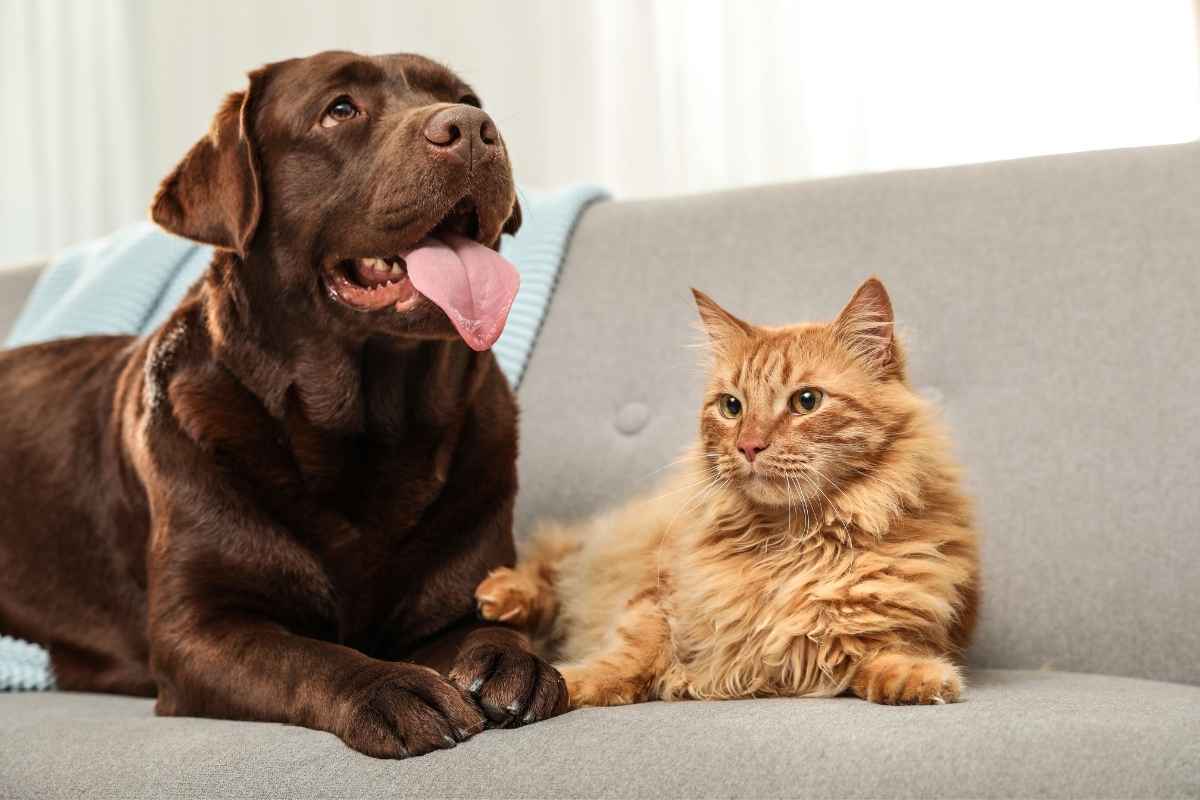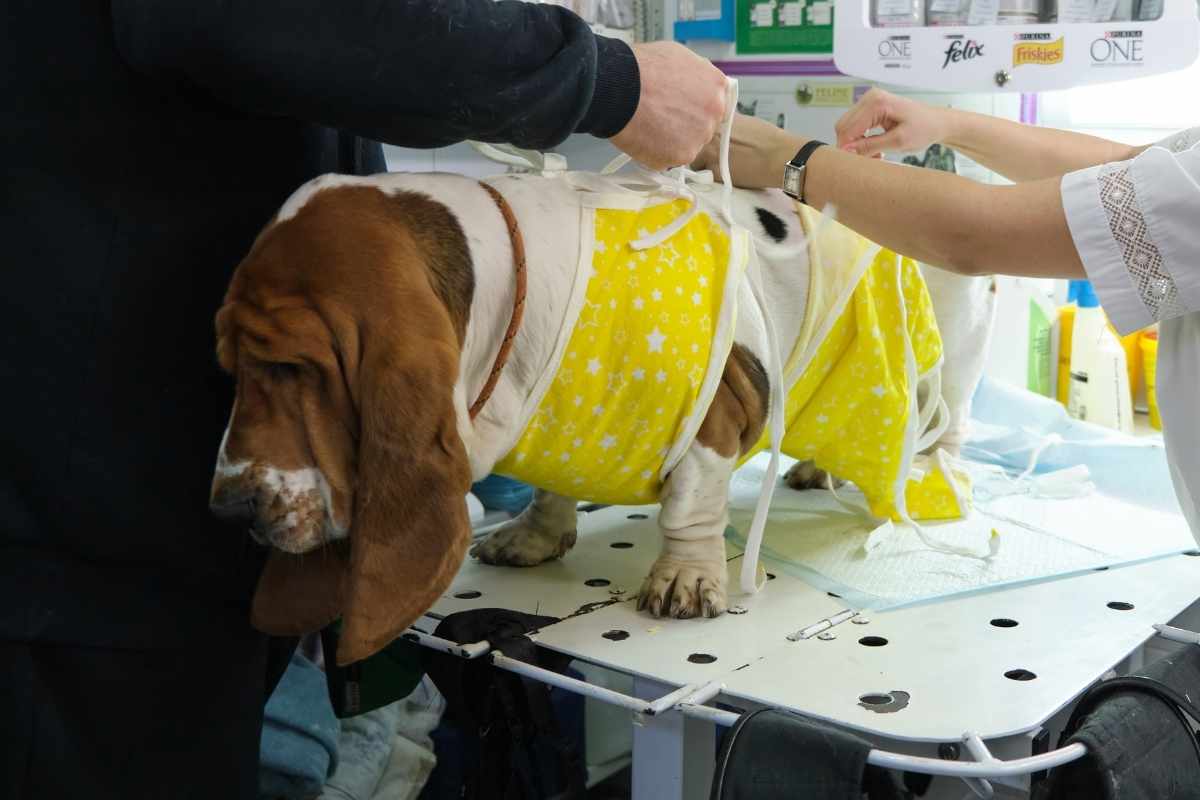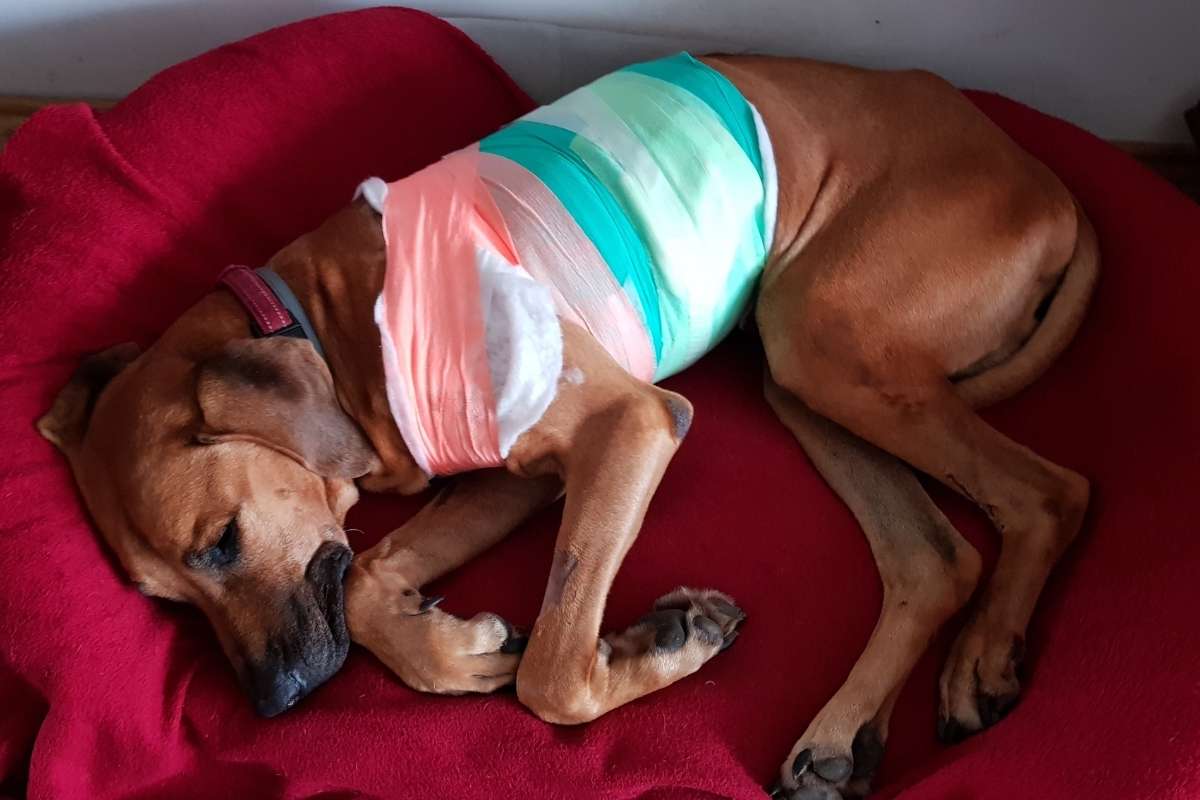
Helping your pet recover after surgery is an essential part of ensuring their long-term health and comfort. The first week after a procedure is especially important, as this is when healing begins and the risk of complications is highest. At Hudson Highlands Veterinary Medical Group, we understand that post-surgical care can feel overwhelming for pet owners. Whether your pet has undergone a routine procedure or a more complex operation, following a proper recovery plan can significantly reduce pain and support healing. Here’s a helpful guide to managing your pet’s recovery during the first week, especially for pet owners in Beacon, NY.
Why the First Week After Surgery Is Critical
The initial days following veterinary surgery set the foundation for your pet’s recovery. During this time, your pet may experience discomfort, limited mobility, and changes in appetite or behavior.
Proper care during this phase helps:
- Reduce pain and inflammation
- Prevent infections
- Support faster healing
- Minimize stress and anxiety
By closely monitoring your pet and following veterinary instructions, you can help ensure a smoother recovery process.
Day-by-Day Recovery Plan
Day 1–2: Immediate Post-Surgery Care
Your pet may still feel the effects of anesthesia, including drowsiness or mild confusion.
What to do:
- Provide a quiet, comfortable resting area
- Limit movement and activity
- Offer small amounts of water and food as directed
- Monitor for excessive bleeding or swelling
Day 3–4: Managing Pain and Mobility
At this stage, your pet may begin to regain energy but still requires restricted activity.
Focus on:
- Administering prescribed pain medications on schedule
- Preventing jumping, running, or rough play
- Keeping surgical sites clean and dry
Day 5–7: Supporting Healing
Healing progresses during this period, but your pet is still vulnerable to complications.
Continue to:
- Follow medication instructions
- Check incision sites daily
- Maintain a calm environment
How to Reduce Pain After Surgery
Pain management is one of the most important aspects of recovery. Even if your pet appears comfortable, underlying pain may still be present.
Key Pain Management Tips:
- Never skip prescribed medications
- Avoid giving human pain relievers
- Use an Elizabethan collar (cone) if recommended
- Keep your pet calm and well-rested
Veterinarians tailor pain management plans based on the type of veterinary surgery and your pet’s individual needs.
Signs Your Pet May Be in Pain
Recognizing pain in pets can be challenging, as they often hide discomfort.
Watch for:
- Whining or vocalizing
- Loss of appetite
- Restlessness or inability to settle
- Limping or reluctance to move
- Excessive licking of the surgical area
If you notice these signs, contact your veterinarian for guidance.
Preventing Complications
A successful recovery depends on preventing common post-surgical issues.
Warning Signs to Monitor:
- Redness, swelling, or discharge at the incision site
- Foul odor from the wound
- Fever or lethargy
- Opening of stitches
Early detection of these signs can help avoid serious complications.
Creating a Comfortable Recovery Space
Your pet’s environment plays a key role in their healing process.
Tips for a Recovery-Friendly Space:
- Use soft bedding in a quiet area
- Keep food and water easily accessible
- Limit access to stairs or furniture
- Separate from other pets if needed
A calm, controlled environment helps reduce stress and promotes healing.
Nutrition and Hydration During Recovery
Proper nutrition supports tissue repair and energy levels.
Recovery Nutrition Tips:
- Offer easily digestible meals
- Ensure fresh water is always available
- Follow any dietary recommendations from your veterinarian
If your pet refuses to eat for more than 24 hours, it’s important to seek advice.
The Importance of Follow-Up Care
Follow-up visits allow veterinarians to monitor healing and address any concerns.
These visits may include:
- Checking incision sites
- Adjusting medications
- Removing sutures if needed
For pet owners in Beacon, NY, access to consistent veterinary care ensures your pet’s recovery stays on track.
Supporting Your Pet Beyond the First Week
While the first week is critical, full recovery may take longer depending on the procedure. Gradually reintroducing activity and continuing to monitor your pet will help maintain progress.
Helping your pet recover after surgery requires careful attention, patience, and consistency. By following a structured recovery plan during the first week, you can reduce pain and support proper healing.
Post-surgical care is a vital part of veterinary surgery, and early intervention can prevent complications and improve outcomes. If you have questions or concerns about your pet’s recovery, the team at Hudson Highlands Veterinary Medical Group is here to help every step of the way.
If you have concerns about your pet’s healing or comfort, you can contact Hudson Highlands Veterinary Medical Group for professional guidance and support.
FAQs for Local Pet Owners
Q1. How long does it take for a pet to recover from surgery?
Ans. Recovery time varies, but the first 7–10 days are the most critical for healing.
Q2. How can I tell if my pet is in pain after surgery?
Ans. Look for signs like whining, restlessness, or changes in appetite and behavior.
Q3. Can I remove my pet’s cone early?
Ans. Only if advised by your veterinarian, as removing it too soon can lead to complications.
Q4. What should I feed my pet after surgery?
Ans. Offer small, easily digestible meals as recommended by your vet.
Q5. When should I be concerned about the incision site?
Ans. If you notice swelling, discharge, or redness, contact your veterinarian immediately.
Q6. Is it normal for my pet to be tired after surgery?
Ans. Yes, mild lethargy is common, but prolonged or severe symptoms should be evaluated.