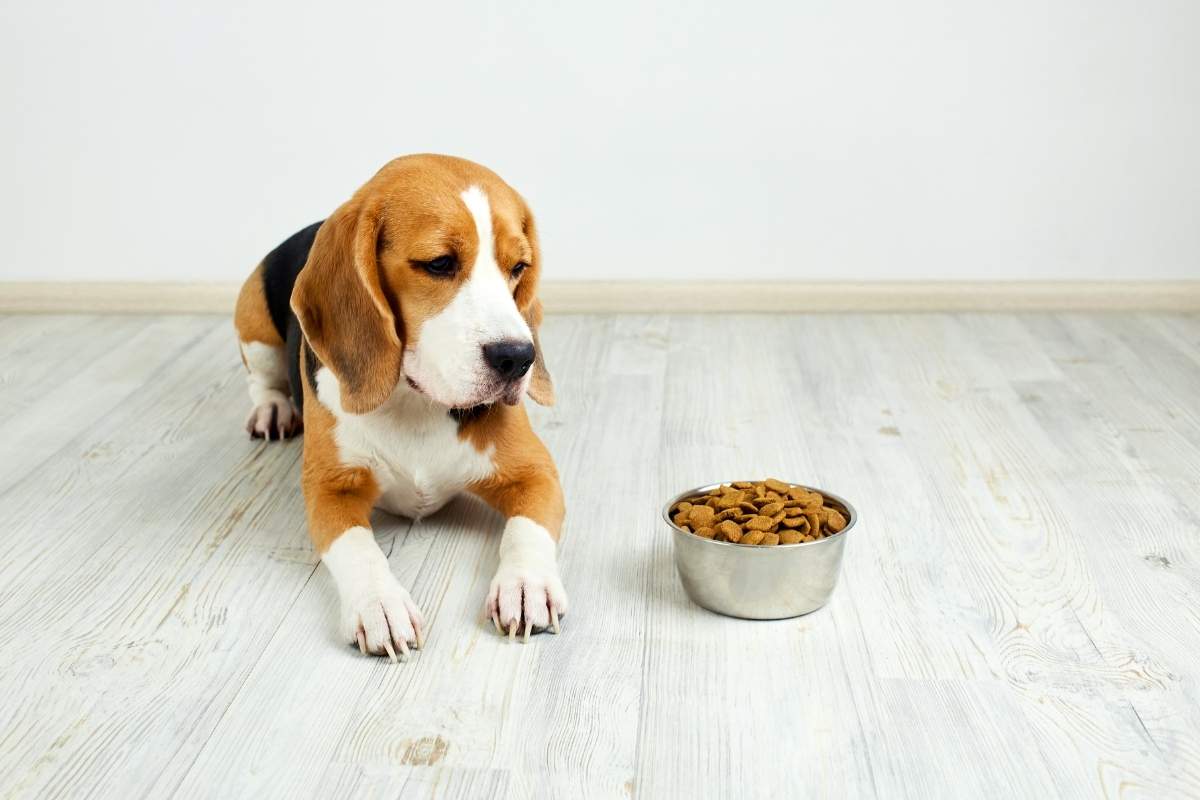
Spaying is one of the most important health decisions you can make for your dog. The procedure prevents unwanted litters and reduces the risk of certain cancers and infections. However, many pet parents feel worried when their dog refuses food afterward. A loss of appetite is actually common after anesthesia and surgical procedures, yet it still deserves careful attention.
If your dog won’t eat after surgery, you are not alone. Many dogs temporarily lose interest in food while their body heals. Fortunately, understanding why it happens—and how to help—can make recovery smoother and safer. This guide explains what’s normal, what’s not, and how to support your dog’s appetite at home. It is especially helpful for pet families in Beacon, NY.
Why Dogs Stop Eating After Spaying Surgery
First, it’s important to remember your dog just experienced a medical procedure. During veterinary surgery, anesthesia affects the entire body, including the stomach and brain. Therefore, a reduced appetite during the first 24 hours is usually expected.
Below are the most common reasons.
1. Effects of Anesthesia
Anesthesia slows the digestive system. As a result, your dog may feel nauseated or sleepy. Even the smell of food may not appeal to them. Most dogs regain normal appetite within 24–48 hours.
2. Pain or Discomfort
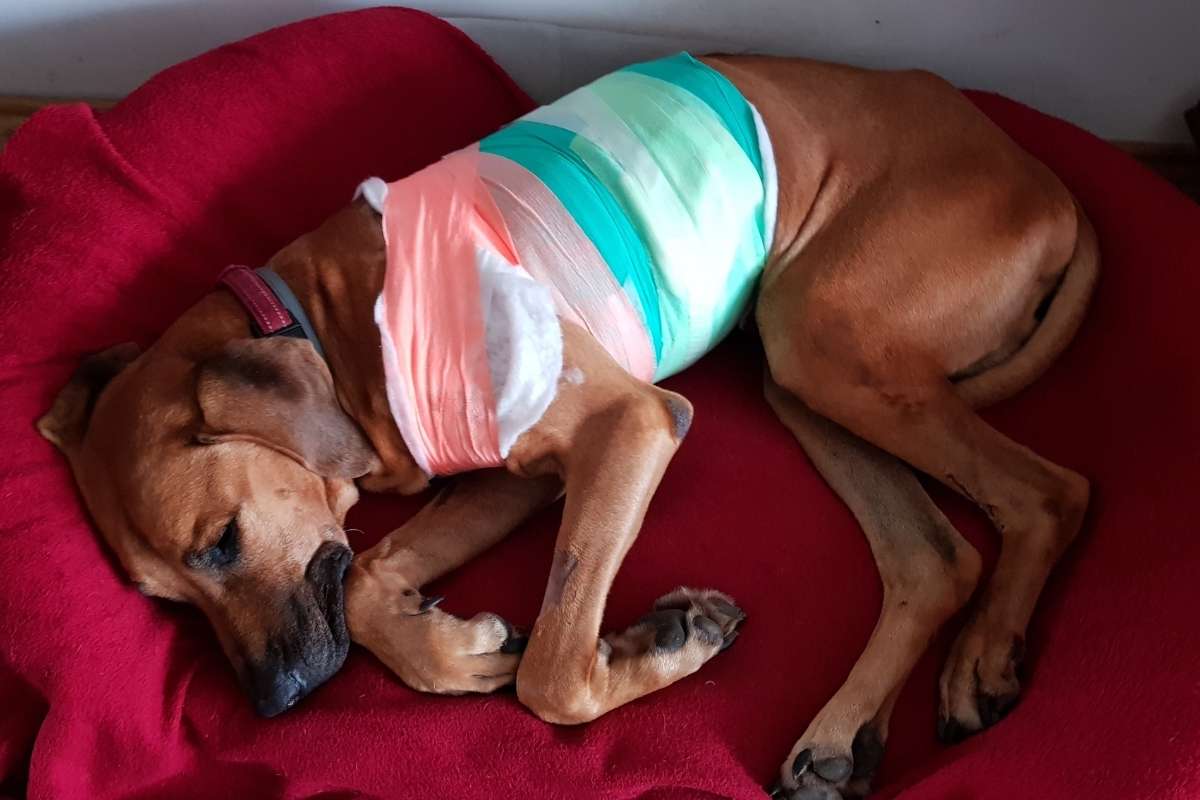
Although veterinarians provide pain medication, your dog may still feel sore around the incision site. When the abdomen hurts, dogs often avoid bending their neck and head to reach a food bowl.
3. Nausea From Medications
Some post-operative medications can upset the stomach. Consequently, your dog may refuse food but still drink small amounts of water.
4. Stress and Confusion
Dogs feel disoriented after anesthesia. Their eyes may appear glassy, and they may act restless. Because of this confusion, they often ignore food temporarily.
5. Mild Dehydration
If your dog did not drink water overnight at the clinic, dehydration can reduce appetite the next day.
How Long Is It Normal?
In most cases, dogs skip one or two meals after surgery. Improvement usually appears within a day. However, you should contact a veterinarian if:
- Your dog refuses food for more than 48 hours
- Vomiting occurs repeatedly
- Gums look pale
- Your dog seems extremely lethargic
These symptoms may signal complications rather than simple recovery.
Signs Your Dog Is Still Recovering Normally
Even without eating, your dog may still be healing properly if you notice:
- Drinking water
- Wagging their tail
- Walking slowly but willingly
- Showing interest in you
- Sleeping more than usual
Healing requires energy. Therefore, extra rest is beneficial.
How to Encourage Your Dog to Eat
Fortunately, you can take simple steps at home to stimulate appetite.
Offer Small, Frequent Meals
Instead of one large portion, provide tiny meals every few hours. Smaller servings are easier on the stomach.
Warm the Food
Warming food releases aroma. Because smell drives appetite in dogs, warm meals often help them eat sooner.
Hand-Feed Gently
Some dogs feel comforted when you sit beside them and hand-feed them. This approach reduces stress and encourages chewing.
Try Bland Food
For the first day, veterinarians often recommend:
- Plain boiled chicken
- White rice
- Scrambled eggs (no seasoning)
These foods are gentle on the stomach.
Elevate the Bowl
Raising the bowl helps your dog avoid bending the neck and abdomen. This small adjustment can make a big difference.
What You Should NOT Do
While helping your dog, avoid these common mistakes:
- Do not force food into the mouth
- Do not give human pain medication
- Do not offer greasy treats
- Do not remove the recovery cone early
Force feeding may cause choking, while fatty foods can worsen nausea.
Watch the Incision Carefully
Even though appetite is important, the incision site matters just as much. Check daily for:
- Swelling
- Discharge
- Redness
- Bad odor
If your dog licks excessively, bacteria may enter the wound. Therefore, keep the protective cone on as instructed.
Hydration Is More Important Than Food (At First)
Surprisingly, water matters more than food during the first 24 hours. A dog can safely skip a meal, but dehydration becomes dangerous quickly. Encourage drinking by:
- Offering fresh water frequently
- Adding a splash of low-sodium broth
- Using ice chips
If your dog refuses water entirely, call your veterinarian.
When Appetite Returns
Once your dog starts eating again, gradually transition back to regular food over 2–3 days. Start with 25% normal food mixed with bland food, then slowly increase.
Also, during recovery, avoid intense activity. Running and jumping can reopen stitches and delay healing.
Long-Term Health After Recovery
Spaying provides lifelong benefits. It reduces uterine infections and lowers breast cancer risk. After healing, your dog will return to normal behavior and energy levels.
Additionally, recovery time is a good opportunity to review overall wellness habits, including diet, exercise, and dental hygiene. Just as proper nutrition supports healing, consistent oral care protects teeth, gums, and mouth health. Using safe products like Toothpastes for Dogs and Cats helps prevent bacteria from affecting the body after recovery.
When to Call the Veterinarian Immediately
Seek help right away if you notice:
- Continuous vomiting
- Refusal to drink
- Bleeding from the incision
- Fever
- Severe swelling
- Collapse
Prompt treatment prevents serious complications.
Local Care Support
Pet owners appreciate guidance after surgery. Follow-up visits ensure the incision heals and your dog regains appetite safely. At Hudson Highlands Veterinary Medical Group, our team provides recovery instructions and monitors healing after veterinary surgery so pets recover comfortably.
Temporary appetite loss after spaying surgery can feel alarming, yet it is often part of normal healing. With patience, gentle feeding strategies, and careful monitoring, most dogs recover quickly. Still, never ignore warning signs. Early attention prevents complications and keeps recovery on track.
If you’re in Beacon, NY, and need a nearby veterinary clinic, contact Hudson Highlands Veterinary Medical Group for caring guidance and support throughout your dog’s recovery.
Frequently Asked Questions:
Q1. Is it normal for my dog to sleep all day after spaying surgery?
Ans. Yes. Anesthesia causes fatigue. Most dogs sleep for 24–48 hours.
Q2. Should I remove the cone if my dog won’t eat?
Ans. No. Instead, remove it briefly while supervised, then replace it immediately after eating.
Q3. Can I give treats to encourage eating?
Ans. Only soft, bland treats approved by your veterinarian.
Q4. When can my dog resume normal activity?
Ans. Usually, after 10–14 days, the incision heals.
Q5. Why is my dog shaking after surgery?
Ans. Shivering often happens due to anesthesia wearing off or mild pain.
Q6. What if my dog drinks water but still won’t eat?
Ans. This can be normal for the first 24 hours. However, if it lasts more than two days, contact your veterinarian.