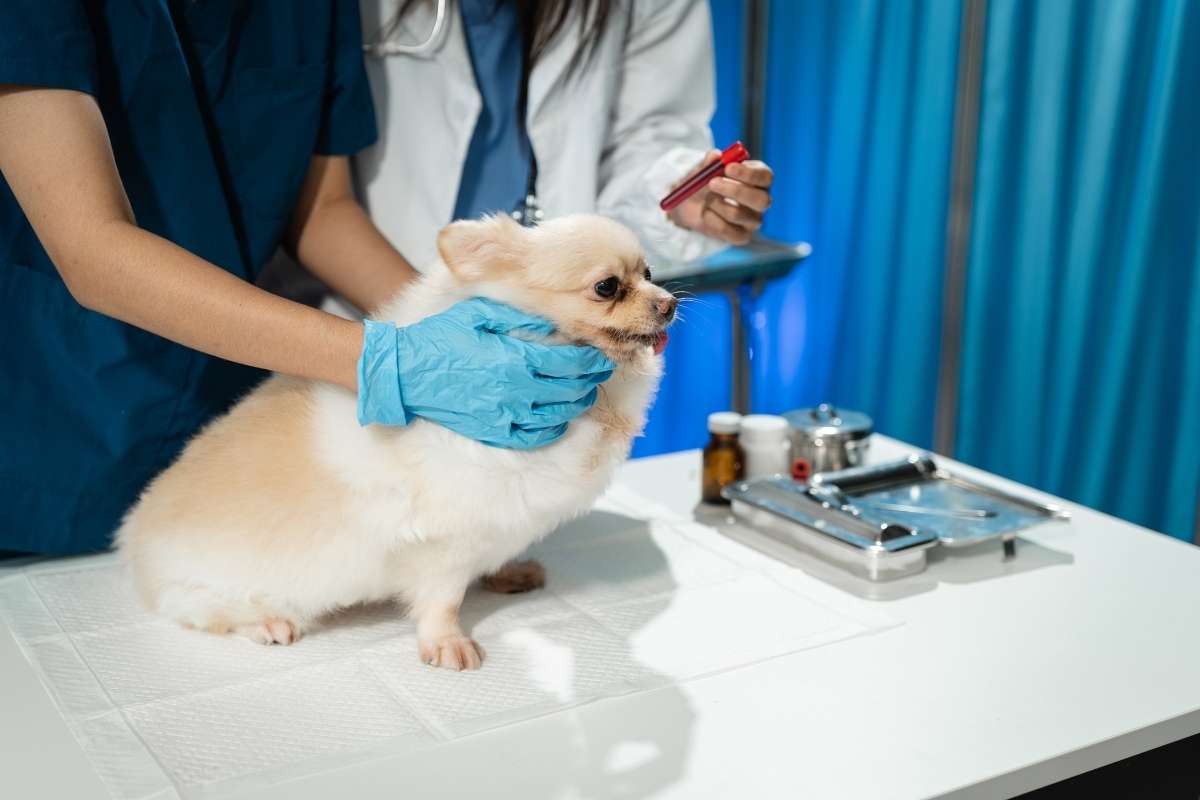
When your veterinarian recommends blood work for your dog, the results may include unfamiliar medical terms and abbreviations that can feel overwhelming. Blood test reports often contain important information about your dog’s overall health, organ function, immune response, and possible underlying conditions. Understanding the basics of these reports can help pet owners feel more informed and confident when discussing treatment plans with their veterinarian.
At Hudson Highlands Veterinary Medical Group, veterinarians regularly help pet owners interpret blood test results as part of preventive wellness care, diagnostic evaluations, and senior pet monitoring. Learning what common blood test values mean can help you better understand your dog’s health and recognize why routine testing is such an important part of veterinary medicine.
Blood tests are commonly used during annual wellness exams, pre-surgical screenings, emergency visits, and ongoing disease management. Even healthy dogs can benefit from routine blood work because many medical conditions develop gradually without visible symptoms. For pet owners in Beacon, NY, understanding veterinary blood testing can support better long-term health decisions for dogs of all ages.
Why Blood Tests Are Important for Dogs
Blood work gives veterinarians a clearer picture of your dog’s internal health. It can help identify medical conditions early, monitor chronic diseases, and evaluate how the body is functioning overall.
Veterinarians may recommend blood testing to:
- Detect infections or inflammation
- Evaluate liver and kidney health
- Check for anemia or dehydration
- Monitor diabetes or hormonal conditions
- Assess organ function before surgery
- Track treatment progress over time
Routine testing can often identify concerns before symptoms become severe.
Common Types of Dog Blood Tests
Complete Blood Count (CBC)
A CBC measures the cells circulating in your dog’s blood. It helps veterinarians evaluate immune function, oxygen delivery, and clotting ability.
Key CBC components include:
- Red Blood Cells (RBC): Carry oxygen throughout the body
- White Blood Cells (WBC): Help fight infection and inflammation
- Hemoglobin: Measures oxygen-carrying capacity
- Platelets: Support blood clotting
Abnormal CBC results may indicate infection, anemia, inflammation, or immune system disorders.
Blood Chemistry Panel
A chemistry panel evaluates organ function and metabolic health.
Common values include:
- ALT and ALP: Liver enzyme levels
- BUN and Creatinine: Kidney function markers
- Glucose: Blood sugar levels
- Electrolytes: Sodium and potassium balance
Chemistry testing helps veterinarians monitor internal organ health and identify abnormalities that may require additional testing.
Understanding Reference Ranges
Each blood test result includes a reference range, which represents values typically considered normal for healthy dogs. Results slightly above or below these ranges do not always indicate serious illness.
Factors that can affect blood values include:
- Age
- Breed
- Stress levels
- Hydration status
- Medications
- Recent activity
Veterinarians evaluate blood test results alongside physical examinations, symptoms, and medical history before making a diagnosis.
What Abnormal Results May Mean
Elevated White Blood Cells
High WBC counts often suggest:
- Infection
- Inflammation
- Stress response
- Immune system disorders
Low Red Blood Cell Count
Low RBC levels may indicate:
- Anemia
- Blood loss
- Chronic disease
- Nutritional deficiencies
High Liver Enzymes
Elevated liver values can occur due to:
- Liver inflammation
- Toxin exposure
- Medication side effects
- Hormonal conditions
Increased Kidney Values
High BUN or creatinine levels may point to:
- Kidney disease
- Dehydration
- Urinary tract problems
Additional testing may sometimes be needed to confirm a diagnosis or evaluate disease severity.
When Dogs Typically Need Blood Work
Veterinarians often recommend blood testing during:
- Annual wellness exams
- Senior pet evaluations
- Before anesthesia or surgery
- Illness or emergency visits
- Monitoring chronic medical conditions
Senior dogs especially benefit from routine blood testing because age-related diseases often develop gradually.
How to Prepare Your Dog for Blood Testing
Preparing your dog properly can help improve testing accuracy and reduce stress during the appointment.
Helpful preparation tips include:
- Follow fasting instructions if provided
- Bring a list of medications and supplements
- Keep your dog calm before the visit
- Share any recent symptoms or behavior changes
Some blood tests require fasting because food intake can affect glucose and chemistry results.
Questions to Ask Your Veterinarian About Blood Test Results
If you receive a blood report with unfamiliar values, asking questions can help you better understand your dog’s condition.
Common questions include:
- Which results are abnormal?
- Are the abnormalities mild or severe?
- Could medications affect these values?
- Does my dog need additional testing?
- How often should blood work be repeated?
Understanding your dog’s report can make treatment decisions easier and help you stay informed about ongoing healthcare needs.
Supporting Long-Term Health Through Routine Testing
Blood testing is one of the most effective tools veterinarians use to monitor overall wellness and identify hidden medical conditions early. Routine screening allows for earlier intervention, which can improve treatment outcomes and quality of life.
Pet owners can support their dog’s health by:
- Scheduling regular wellness exams
- Following recommended vaccination schedules
- Monitoring appetite and behavior changes
- Maintaining healthy nutrition and exercise routines
- Discussing preventive testing with their veterinarian
Early detection often makes managing medical conditions more effective and less stressful for both pets and owners.
Helping Pet Owners Better Understand Veterinary Blood Work
Understanding your dog’s blood test results can help you make informed healthcare decisions and feel more confident during veterinary visits. While lab reports may seem complex at first, they provide valuable insight into your dog’s overall health and can help identify concerns before symptoms become more serious.
If you’re in Beacon, NY and need guidance from a veterinarian near you on understanding your dog’s health and wellness needs, Hudson Highlands Veterinary Medical Group provides wellness exams, diagnostic testing, and personalized care for dogs of all ages. Our team can help explain blood test results, monitor long-term health, and support your pet through every stage of life. Contact us today to learn more about your dog’s health needs and receive compassionate care tailored to their well-being.
FAQs
Q1. Why does my dog need routine blood work?
Ans. Routine blood testing helps detect hidden health problems early, monitor organ function, and identify infections or chronic diseases before severe symptoms appear.
Q2. What does a CBC test show in dogs?
Ans. A complete blood count evaluates red blood cells, white blood cells, and platelets to assess immune health, oxygen levels, and clotting function.
Q3. Should I worry about slightly abnormal blood test results?
Ans. Slightly abnormal values are not always serious. Veterinarians consider symptoms, medical history, breed, and overall health before diagnosing medical conditions.
Q4. How often should senior dogs have blood tests?
Ans. Many veterinarians recommend annual or twice-yearly blood work for senior dogs to monitor aging-related health changes and detect disease earlier.
Q5. Does my dog need to fast before blood work?
Ans. Some blood tests require fasting for accurate results, especially glucose and chemistry panels. Your veterinarian will provide specific preparation instructions.
Q6. Can blood tests detect serious diseases in dogs?
Ans. Yes. Blood work can help identify kidney disease, liver disease, diabetes, infections, anemia, inflammation, and other serious health conditions early.