Caring for your cat’s health often involves exploring natural ways to support their well-being, and coconut oil has become a popular option among pet owners. At Hudson Highlands Veterinary Medical Group, we understand that many cat owners are interested in safe, simple additions to their pet’s routine that may offer health benefits. While coconut oil is not a cure-all, it can be a useful supplement when used appropriately. Here’s a helpful guide to understanding the potential benefits of coconut oil for cats, especially for pet owners in Beacon, NY.
What Is Coconut Oil and Is It Safe for Cats?
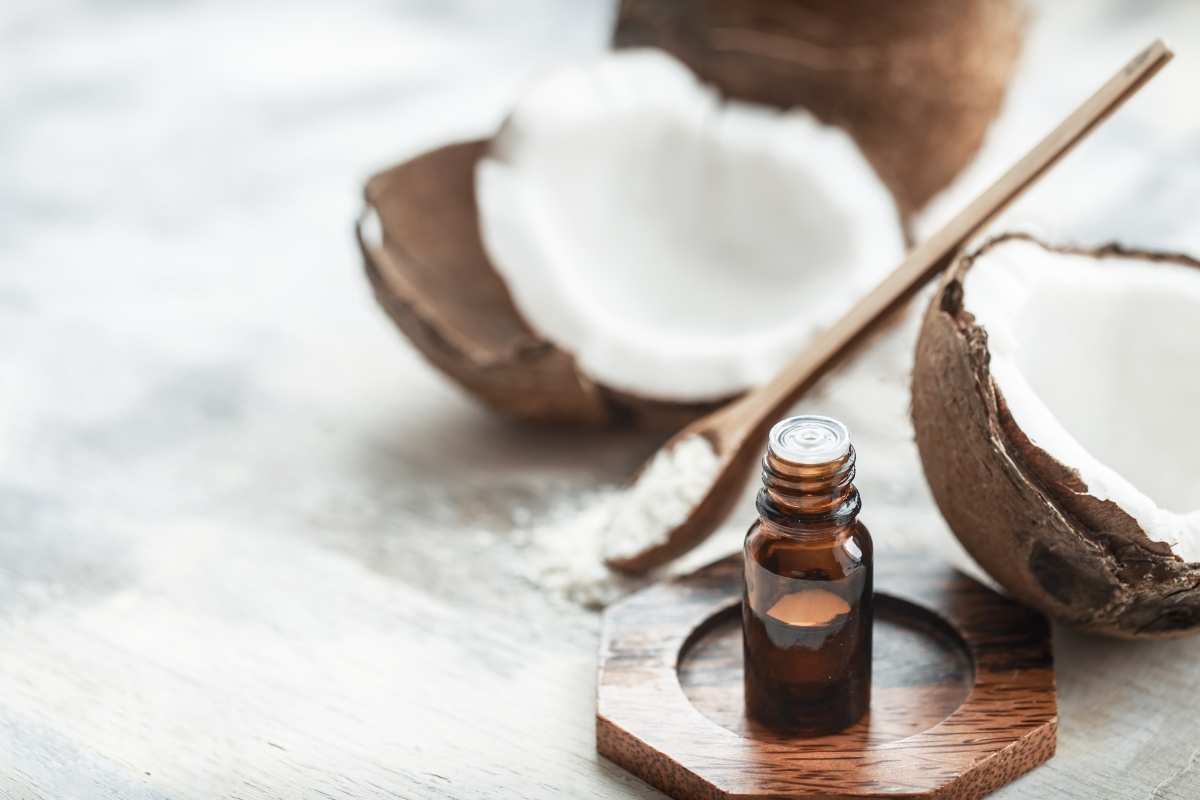
Coconut oil is a natural oil extracted from coconuts and is rich in medium-chain fatty acids, particularly lauric acid. These compounds are believed to have antimicrobial and anti-inflammatory properties.
In small, controlled amounts, coconut oil is generally considered safe for cats. However, it’s important to consult a veterinarian before introducing any new supplement into your cat’s diet, especially if they have underlying health conditions.
8 Key Benefits of Coconut Oil for Cats
1. Supports Healthy Skin and Coat
Coconut oil can help moisturize dry skin and improve coat shine. It may reduce flakiness and itching when applied topically or added in small amounts to food.
2. May Help Reduce Hairballs
The natural lubrication properties of coconut oil can support digestion and help reduce the formation of hairballs in some cats.
3. Aids Digestive Health
Coconut oil may promote better digestion by supporting gut health and improving nutrient absorption.
4. Provides Mild Antimicrobial Support
Lauric acid in coconut oil has antimicrobial properties that may help combat certain bacteria and fungi, contributing to overall wellness.
5. Supports Joint Health
For aging cats or those with mild joint discomfort, coconut oil’s anti-inflammatory properties may offer some relief when used as part of a broader care plan.
6. Helps with Minor Skin Irritations
When applied externally, coconut oil may soothe minor cuts, dryness, or irritated skin areas. Always ensure your cat does not excessively lick treated areas.
7. Boosts Energy Levels
The medium-chain fatty acids in coconut oil can provide a quick source of energy, which may benefit less active or older cats.
8. May Support Immune Function
Regular, moderate use may contribute to a stronger immune system by supporting overall health and reducing inflammation.
How to Safely Use Coconut Oil for Cats
Before adding coconut oil to your cat’s routine, it’s important to use it correctly.
Feeding Guidelines:
- Start with very small amounts (about ¼ teaspoon)
- Gradually increase if tolerated
- Mix with food for easier consumption
Topical Use:
- Apply a thin layer to affected skin areas
- Monitor for excessive licking or irritation
Consulting a veterinary hospital ensures that coconut oil is appropriate for your cat’s specific needs.
Are There Any Risks?
While coconut oil can offer benefits, overuse may lead to weight gain or digestive upset. Cats with certain conditions, such as pancreatitis, may not tolerate added fats well.
Always watch for:
- Diarrhea or vomiting
- Changes in appetite
- Unusual behavior
If any of these occur, discontinue use and consult your veterinarian.
When to Talk to Your Veterinarian
Natural supplements should always be part of a broader health plan. If your cat has ongoing skin issues, digestive concerns, or joint problems, professional guidance is essential.
For pet owners in Beacon, NY, access to a trusted veterinary hospital can help ensure that any supplement, including coconut oil, is used safely and effectively.
Supporting Your Cat’s Overall Health
While coconut oil may provide certain benefits, it should not replace a balanced diet, routine veterinary care, or prescribed treatments. Maintaining your cat’s health involves a combination of proper nutrition, regular check-ups, and preventive care.
Coconut oil can be a helpful addition to your cat’s care routine when used responsibly and in moderation. From supporting skin health to aiding digestion, it offers a range of potential benefits, but it’s important to approach its use thoughtfully.
Caring for your cat’s health involves informed decisions and consistent care. If you have questions about incorporating supplements or improving your pet’s wellness routine, the team at Hudson Highlands Veterinary Medical Group is here to help.
If you’re located in Beacon, NY, and want to ensure your cat receives the best possible care, consider contacting an experienced veterinary team for guidance and support.
FAQs:
Q1. Is coconut oil safe for all cats?
Ans. Most cats can tolerate small amounts, but it’s best to consult a veterinarian before use.
Q2. How much coconut oil should I give my cat?
Ans. Start with a small amount, such as ¼ teaspoon, and adjust based on your vet’s advice.
Q3. Can coconut oil help with my cat’s dry skin?
Ans. It may help moisturize and soothe mild dryness when used properly.
Q4. Can I apply coconut oil directly to my cat’s skin?
Ans. Yes, in small amounts, but monitor to ensure your cat doesn’t lick it excessively.
Q5. Are there any side effects?
Ans. Overuse can cause digestive upset or weight gain in some cats.
Q6. Should coconut oil replace other treatments?
Ans. No, it should only be used as a supplement alongside proper veterinary care.