Changes in your pet’s urination habits can sometimes indicate underlying health problems. However, not every urinary condition causes noticeable symptoms. A veterinary urinalysis is a valuable diagnostic tool that helps evaluate urinary health and provides information about how well certain organs are functioning.
At Hudson Highlands Veterinary Medical Group – Hopewell Junction, NY, urinalysis is part of the available pet diagnostic care options. This laboratory test helps veterinary professionals examine urine characteristics and identify abnormalities that may require further investigation or treatment.
What Is a Veterinary Urinalysis?
A urinalysis is a laboratory examination of a urine sample used to evaluate a dog’s or cat’s urinary and overall health. It provides information about the kidneys, bladder, and urinary tract while also helping identify signs of certain metabolic conditions.
The test generally involves three main components:
- Physical examination: Evaluates urine color, clarity, and concentration.
- Chemical analysis: Uses test strips to measure substances such as glucose, protein, blood, and pH.
- Microscopic examination: Checks for cells, crystals, bacteria, and other particles in the urine.
The findings help the veterinary team determine whether additional diagnostic testing is necessary.
What Health Conditions Can a Urinalysis Detect?
A urine test can reveal several abnormalities that may indicate underlying health concerns.
1. Urinary Tract Infections (UTIs)
Bacteria, white blood cells, and other abnormalities in urine may suggest a urinary tract infection. Pets with UTIs may urinate frequently, strain while urinating, have accidents indoors, or show signs of discomfort.
A urine culture may also be recommended to identify the bacteria responsible and determine which antibiotics are most appropriate.
2. Kidney Disease
The kidneys filter waste products from the bloodstream and regulate fluid balance. Urinalysis evaluates urine concentration and checks for substances such as protein that may indicate kidney abnormalities.
Changes in urine concentration can help identify reduced kidney function. However, additional blood tests and other evaluations are often necessary to assess kidney health accurately.
3. Diabetes
Glucose in the urine, known as glucosuria, can indicate diabetes mellitus. When blood glucose levels become sufficiently elevated, excess glucose may pass into the urine.
Veterinary professionals may recommend blood glucose testing and additional assessments to confirm a diagnosis.
4. Bladder Stones and Urinary Crystals
Urine microscopy can reveal crystals that may contribute to certain urinary stone formations. These findings help guide further investigation and dietary recommendations.
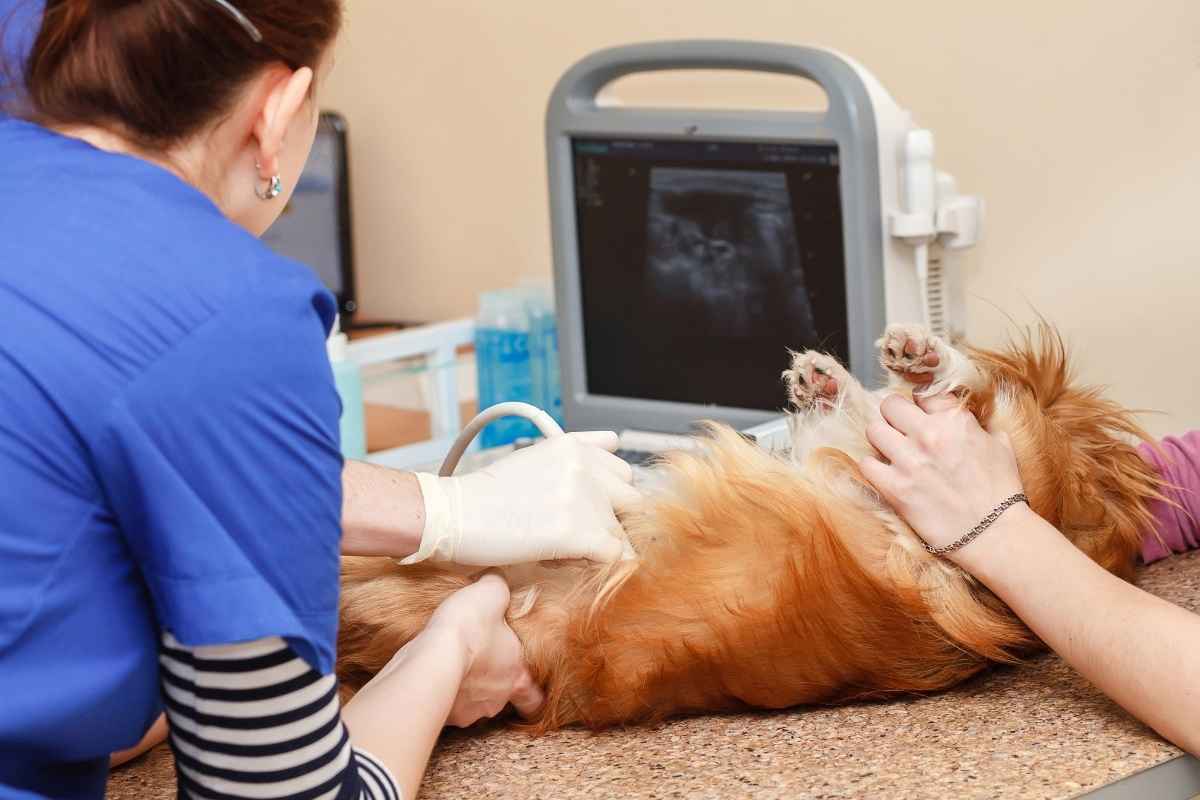
However, crystals do not always mean that bladder stones are present. Imaging, such as X-rays or ultrasound, may be needed to identify stones and evaluate the urinary tract.
5. Blood in the Urine
Blood in urine, known as hematuria, can result from infections, bladder stones, inflammation, trauma, or other urinary conditions.
A urinalysis helps determine whether blood is present and may provide additional clues about its possible cause.
When Should Dogs and Cats Have a Urinalysis?
Urinalysis may be recommended during routine wellness screenings or when a pet develops symptoms associated with urinary or metabolic problems.
Common signs that may warrant testing include:
- Frequent urination or unusually large urine volumes.
- Straining or discomfort while urinating.
- Blood in the urine.
- Increased thirst.
- Accidents inside the house.
- Changes in urine color or odor.
- Reduced appetite or unexplained weight loss.
Inability to pass urine, particularly in male cats, requires immediate veterinary attention. Do not wait for a routine appointment if your pet cannot urinate.
How Is a Urine Sample Collected and Tested?
Urine samples can be collected in different ways depending on the pet’s condition and the purpose of testing.
- Free-catch collection: Urine is collected in a clean container while the pet urinates naturally.
- Cystocentesis: A veterinarian uses a fine needle to collect urine directly from the bladder. This method helps reduce contamination when a sterile sample is needed.
- Catheterization: A small catheter is passed into the urinary tract to obtain a sample when appropriate.
Once collected, the sample is evaluated in a laboratory. At Hudson Highlands Veterinary Medical Group – Hopewell Junction, the in-house laboratory performs urinalysis, with many in-house test results available within approximately 15 minutes.
Why Is Early Urinary Disease Detection Important?
Urinary abnormalities may develop before noticeable symptoms appear. Identifying these changes early can help veterinary professionals investigate potential health problems and recommend appropriate treatment.
Regular screening may be particularly useful for senior pets and animals with a history of kidney disease, diabetes, or recurring urinary issues.
Veterinary urinalysis provides valuable information about your pet’s urinary system, kidney function, and potential metabolic concerns. When combined with physical examinations, blood work, and diagnostic imaging when needed, it helps create a clearer picture of your pet’s health.
If you are looking for reliable pet diagnostic care in Hopewell Junction, NY, Hudson Highlands Veterinary Medical Group offers in-house laboratory testing to support the evaluation of various health concerns. Schedule your appointment to discuss your dog’s or cat’s symptoms and determine whether a urinalysis is appropriate.
Frequently Asked Questions
Q1. Can a urine test detect kidney disease in dogs and cats?
Ans: Yes. Urinalysis can identify changes in urine concentration and protein levels that may indicate kidney problems. Additional blood work may be recommended to evaluate kidney function more completely.
Q2. How does Hudson Highlands Veterinary Medical Group help diagnose urinary tract infections in pets?
Ans: Hudson Highlands Veterinary Medical Group uses urinalysis to evaluate urine samples for bacteria, white blood cells, and other abnormalities that may indicate an infection. A urine culture may also be recommended to identify the bacteria and guide treatment.
Q3. Can Hudson Highlands Veterinary Medical Group identify signs of diabetes through urine testing?
Ans: Yes. Urinalysis can identify glucose in the urine, which may indicate diabetes. The veterinary team can recommend additional blood glucose testing to help confirm the condition and determine appropriate next steps.
Q4. How does Hudson Highlands Veterinary Medical Group help identify bladder stones in dogs and cats?
Ans: The clinic’s diagnostic capabilities include urinalysis to check for crystals and other abnormalities associated with urinary stones. Additional imaging, such as X-rays or ultrasound, may be recommended to confirm their presence and location.
Q5. How quickly can Hudson Highlands Veterinary Medical Group provide urinalysis results?
Ans: The clinic’s in-house laboratory can provide many routine urinalysis results within approximately 15 minutes. Testing time may vary depending on the type of analysis required.
Q6. When should I contact Hudson Highlands Veterinary Medical Group about changes in my pet’s urination habits?
Ans: Contact the clinic if your pet experiences frequent urination, straining, blood in the urine, increased thirst, or unusual urination habits. If your pet cannot pass urine, seek immediate veterinary attention.