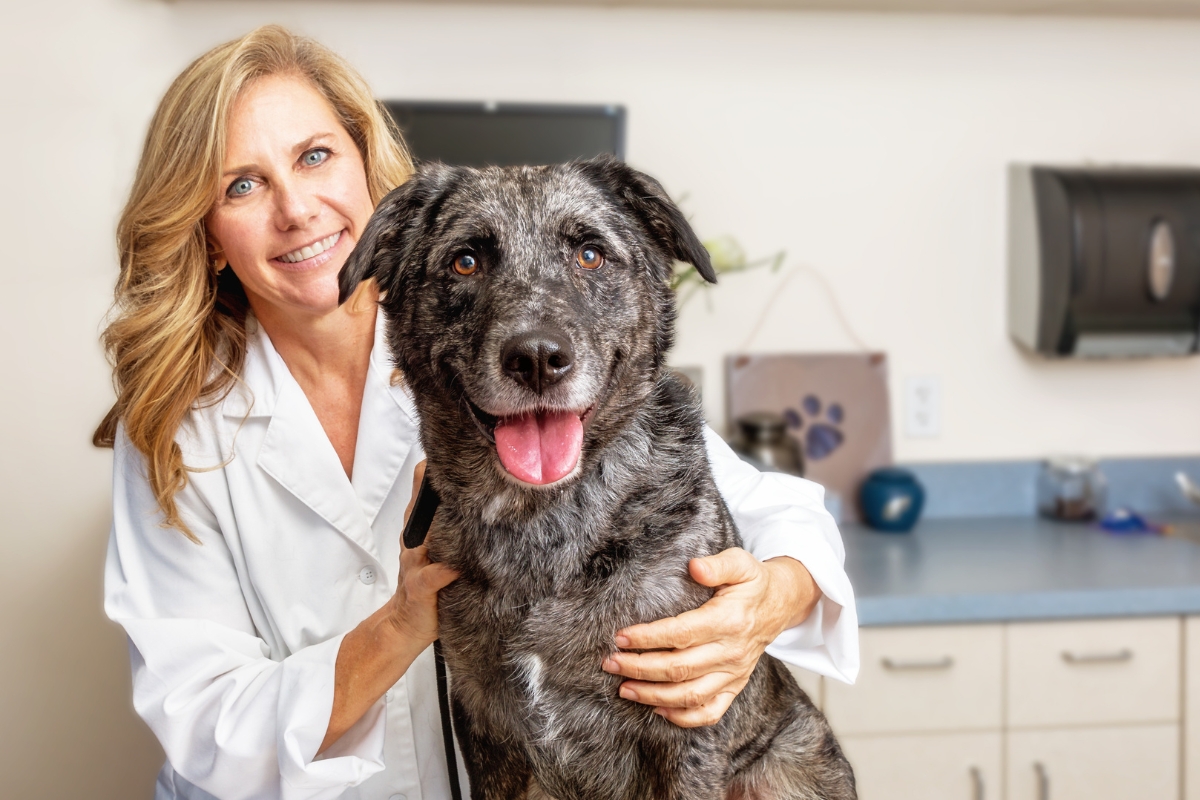
A dog that constantly scratches, licks its paws, or rubs against furniture may be dealing with more than a simple itch. Skin allergies can make dogs uncomfortable and may affect their sleep, activity levels, and overall quality of life. Hudson Highlands Veterinary Medical Group – Hopewell Junction helps pet parents understand the causes behind skin irritation and the steps that may help calm allergic reactions in dogs.
Dog skin allergies can develop from several triggers, including environmental allergens, fleas, food sensitivities, or contact with irritating substances. Since many skin problems can look similar, identifying the cause is an important step toward finding the right approach for relief.
What Causes Skin Allergies in Dogs?
A dog’s immune system may react strongly to certain substances that are usually harmless. This response can create inflammation, leading to itching, redness, and discomfort.
Common triggers of skin allergies in dogs include:
- Environmental allergens: Pollen, dust mites, mold, and other outdoor or indoor particles may cause allergic reactions.
- Flea allergies: Some dogs are highly sensitive to flea bites, and even a small exposure can cause intense itching.
- Food sensitivities: Certain ingredients may contribute to recurring skin problems in some dogs.
- Contact irritants: Cleaning products, fabrics, plants, or chemicals that come into contact with the skin may cause irritation.
Understanding the possible trigger can help pet parents take steps to reduce discomfort while seeking proper veterinary guidance.
Signs Your Dog May Have Skin Allergies
Skin allergies can appear in different ways. Some common signs include:
- Frequent scratching or biting at the skin
- Licking or chewing paws
- Red or inflamed areas of skin
- Hair thinning or hair loss
- Recurring ear irritation
- Hot spots or irritated patches
- Dry, flaky, or thickened skin
- Rubbing the face or body against surfaces
It is important to remember that itching is a symptom, not a specific diagnosis. Parasites, infections, and other skin conditions can cause similar signs. A veterinary examination can help determine the underlying issue.
How Can You Calm Itching and Irritation From Dog Skin Allergies?
Helping a dog with itchy skin often requires a combination of daily care, reducing triggers, and veterinary support. The right approach depends on what is causing the allergic reaction.
1. Keep Your Dog’s Skin Clean and Supported
Regular bathing with products recommended for dogs may help remove allergens from the coat and soothe irritated skin. Some dogs may benefit from gentle or medicated shampoos based on their skin condition.
Avoid using human shampoos or products unless your veterinarian recommends them because they may irritate your dog’s skin further.
2. Maintain Consistent Flea Prevention
Flea control is an important part of managing itchy skin. Dogs with flea allergies may experience significant irritation after flea exposure. Preventive care can help reduce the chance of future flare-ups.
3. Reduce Exposure to Possible Allergens
Small changes around your home may help reduce irritation:
- Wash your dog’s bedding regularly
- Clean areas where your dog spends time
- Wipe paws after outdoor activities
- Limit contact with known irritants
- Keep your home environment clean
These steps may not remove every trigger, but they can help support healthier skin.
4. Prevent Excessive Scratching
Constant scratching and licking can damage the skin barrier and may increase the risk of secondary infections. Keeping nails trimmed and preventing excessive chewing may help protect irritated areas while your dog receives proper care.
How Veterinarians Evaluate Dog Skin Allergies
Because several conditions can cause similar symptoms, a veterinary examination is often needed to understand what is happening beneath the surface.
During an evaluation, a veterinarian may review your dog’s medical history, examine the skin, and recommend tests based on the signs present. A pet diagnostic approach may include checking for parasites, skin infections, or other causes of irritation.
A diagnostic evaluation can help distinguish allergies from other skin conditions that require different treatments. In some cases, additional testing may be recommended to better understand recurring or long-term skin concerns.
When itching continues despite home care, it may be time to visit our veterinary hospital for a complete evaluation.
When Should You Seek Veterinary Care for Your Dog’s Itchy Skin?
Mild itching that happens occasionally may be monitored, especially if your dog otherwise seems comfortable. However, schedule a veterinary examination if you notice:
- Persistent scratching or licking
- Open sores or bleeding areas
- Skin odor or discharge
- Frequent ear problems
- Hair loss that continues or spreads
- Changes in behavior due to discomfort
Prompt veterinary attention may be needed if your dog has facial swelling, trouble breathing, severe skin reactions, or signs of sudden illness. A pet diagnostic assessment can provide important information to guide the next steps for your dog’s skin health.
Treatment Options for Dog Skin Allergies
Treatment depends on the cause and severity of your dog’s condition. A veterinarian may recommend options such as:
- Allergy management plans
- Medicated skin products
- Treatments for secondary infections
- Prescription medications to control itching or inflammation
- Dietary changes when food sensitivity is suspected
Pet owners should avoid giving human medications or changing prescribed treatments without veterinary guidance. Every dog responds differently, and the safest plan depends on an individual evaluation.
How Can You Help Prevent Future Skin Allergy Flare-Ups?
While all allergies cannot always be prevented, consistent care may help reduce discomfort and support healthier skin.
Helpful habits include:
- Maintaining flea prevention
- Following recommended grooming routines
- Monitoring changes in your dog’s skin
- Keeping track of possible allergy triggers
- Scheduling regular veterinary wellness visits
Early attention to skin changes may prevent minor irritation from becoming a larger problem.
Help Your Dog Find Relief From Itchy, Irritated Skin
Watching your dog struggle with constant itching can be frustrating and stressful. Skin allergies often require patience because the cause may not always be obvious, and managing symptoms may involve several steps.
Pet parents can receive guidance on identifying the cause of their dog’s skin irritation and developing an appropriate care plan. If your dog is scratching, licking, or showing signs of skin discomfort, contact Hudson Highlands Veterinary Medical Group – Hopewell Junction to schedule a veterinary examination and take the first step toward helping your pet feel more comfortable.
FAQs
Q1. What are the most common signs of skin allergies in dogs?
Ans. Common signs include scratching, paw licking, redness, hair loss, irritated skin, and recurring ear issues. These symptoms can also occur with other conditions, so a veterinary examination may be needed for an accurate assessment.
Q2. Can dog skin allergies go away on their own?
Ans. Some mild irritation may improve after removing a trigger, but ongoing allergies often require management. A veterinarian can help identify possible causes and recommend appropriate care.
Q3. How can I soothe my dog’s itchy skin at home?
Ans. Gentle grooming, cleaning bedding, reducing exposure to possible allergens, and using veterinarian-approved skin products may help calm irritation. Avoid using human skin products unless advised by a veterinarian.
Q4. Are food allergies a common cause of itchy skin in dogs?
Ans. Food sensitivities can contribute to skin problems in some dogs. However, environmental allergies, fleas, and infections may cause similar symptoms, so proper evaluation is important.
Q5. When should I take my dog to the veterinarian for itching?
Ans. A veterinary visit is recommended when itching is frequent, interferes with daily activities, causes skin damage, or persists despite basic care.
Q6. Can dog skin allergies be cured permanently?
Ans. Many allergies require ongoing management rather than a one-time solution. With proper evaluation and care, many dogs can experience improved comfort and fewer flare-ups.