Pets cannot tell us when something feels wrong, making the diagnostic process one of the most important aspects of veterinary medicine. While some illnesses are straightforward to identify, others present with subtle or overlapping symptoms that require a more thorough investigation. Chronic vomiting, unexplained weight loss, persistent limping, breathing difficulties, or behavioral changes often have multiple possible causes, making an accurate diagnosis essential.
Modern veterinary medicine combines clinical expertise with advanced technology to uncover the underlying cause of complex health issues. From comprehensive physical examinations and laboratory testing to diagnostic imaging and specialized procedures, every step provides valuable information that helps veterinarians create an effective treatment plan. Understanding how this process works can help pet owners appreciate why certain tests are recommended and how they contribute to improving their pet’s health.
Why Accurate Diagnosis Matters
Many diseases share similar symptoms. For example, decreased appetite may be linked to digestive disorders, kidney disease, liver disease, hormonal imbalances, pain, infections, or stress.
An accurate diagnosis helps veterinarians:
- Identify the root cause of illness
- Avoid unnecessary treatments
- Develop targeted treatment plans
- Monitor disease progression
- Improve long-term outcomes
- Detect health concerns before they become more serious
Rather than treating symptoms alone, veterinarians focus on identifying the underlying medical condition.
The First Step Is a Comprehensive Medical History
Every diagnostic evaluation begins with gathering detailed information about your pet.
Your veterinarian may ask about:
- When symptoms first appeared
- Changes in eating or drinking habits
- Activity level
- Bathroom habits
- Current medications
- Previous illnesses
- Diet
- Recent travel
- Possible toxin exposure
These details often provide important clues that guide the next stage of testing.
A Thorough Physical Examination
A complete physical examination helps evaluate your pet’s overall health.
During the examination, the veterinarian assesses:
- Body condition
- Weight
- Heart and lung sounds
- Temperature
- Hydration
- Eyes, ears, and mouth
- Skin and coat
- Abdomen
- Joints and muscles
- Neurological responses
Even small abnormalities may help narrow the list of possible diagnoses.
Laboratory Testing Provides Valuable Answers
Laboratory testing is often one of the first diagnostic tools used to evaluate internal health.
Blood Tests
Blood work helps assess:
- Organ function
- Blood cell counts
- Electrolyte balance
- Infection
- Inflammation
- Hormonal disorders
Routine blood testing can detect many conditions before obvious symptoms develop.
Urinalysis
Urine testing provides valuable information about:
- Kidney function
- Urinary tract infections
- Diabetes
- Hydration
- Crystal formation
When combined with blood work, urinalysis offers a more complete picture of your pet’s health.
Fecal Testing
Fecal examinations help identify:
- Intestinal parasites
- Certain bacterial infections
- Digestive abnormalities
Regular fecal testing is particularly important for young pets and those experiencing digestive issues.
Diagnostic Imaging Helps Look Inside the Body
Imaging allows veterinarians to evaluate organs and structures that cannot be fully assessed during a physical examination.
Digital X-rays
Radiographs help diagnose:
- Bone fractures
- Arthritis
- Heart enlargement
- Lung disease
- Bladder stones
- Intestinal obstruction
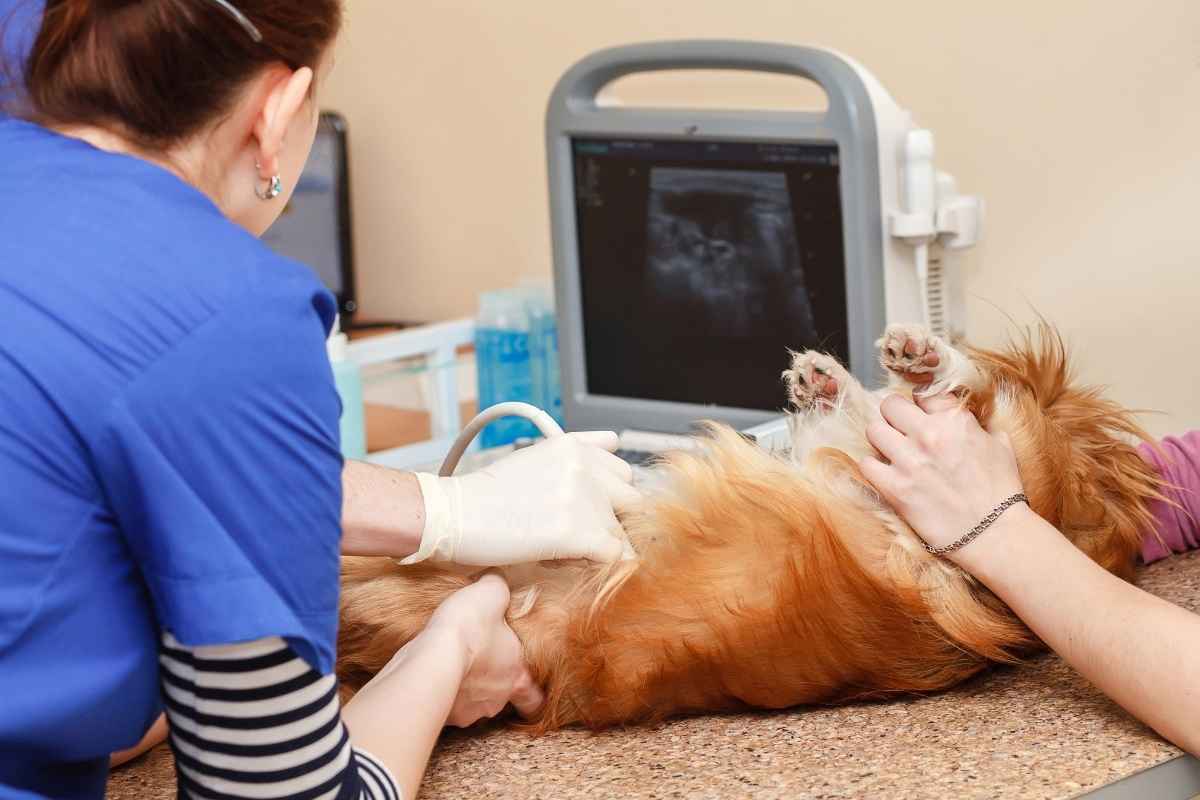
Ultrasound
Ultrasound creates detailed images of soft tissues and internal organs.
It is commonly used to evaluate:
- Liver
- Kidneys
- Spleen
- Bladder
- Heart
- Abdominal masses
Ultrasound often reveals abnormalities that may not appear on X-rays.
Advanced Diagnostic Testing
Some complex conditions require additional testing.
Advanced diagnostic procedures may include:
- CT scans
- MRI
- Endoscopy
- Biopsy
- Cytology
- Culture and sensitivity testing
- Hormone testing
- Allergy testing
These tools provide more detailed information when routine testing does not provide a definitive diagnosis.
Evaluating Orthopedic and Neurological Conditions
When pets experience weakness, limping, or difficulty walking, veterinarians perform orthopedic and neurological evaluations.
These examinations assess:
Joint and Muscle Function
- Joint stability
- Range of motion
- Muscle strength
- Pain response
Neurological Assessment
- Reflexes
- Coordination
- Balance
- Nerve function
Additional imaging may be recommended if structural abnormalities are suspected.
Monitoring Chronic Diseases
Some medical conditions require ongoing diagnostic monitoring instead of a single evaluation.
These include:
- Diabetes
- Kidney disease
- Heart disease
- Liver disease
- Thyroid disorders
- Arthritis
Routine follow-up testing helps monitor treatment progress and detect changes early.
Why Multiple Tests May Be Necessary
Complex diseases rarely have a single obvious cause.
Veterinarians often combine:
- Medical history
- Physical examination
- Laboratory testing
- Diagnostic imaging
- Specialized procedures
Each diagnostic step adds important information that helps build an accurate diagnosis.
How Pet Owners Can Help
Pet owners play an essential role throughout the diagnostic process.
Helpful steps include:
- Monitoring symptoms carefully
- Recording changes in appetite or behavior
- Keeping a list of medications
- Bringing previous medical records
- Following testing recommendations
- Attending follow-up appointments
Accurate information allows veterinarians to make better-informed medical decisions.
The Importance of Early Evaluation
Many illnesses are easier to manage when identified early.
Schedule a veterinary evaluation if your pet experiences:
- Persistent vomiting
- Chronic diarrhea
- Weight loss
- Difficulty breathing
- Lameness
- Increased thirst
- Changes in urination
- Seizures
- Persistent coughing
- Unusual behavioral changes
Early diagnosis often provides more treatment options and improves long-term outcomes.
How Pet Diagnostic Care Supports Better Outcomes
Advances in pet diagnostic care have transformed how veterinarians identify and manage complex medical conditions. By combining thorough examinations with laboratory testing and advanced imaging, veterinarians can make more accurate diagnoses and develop personalized treatment plans. Early and precise diagnosis helps improve treatment success while supporting your pet’s long-term health and quality of life.
Diagnosing complex medical conditions requires a careful, step-by-step approach that combines clinical expertise with modern technology and a thorough understanding of your pet’s health history. Every diagnostic test provides valuable information that helps veterinarians move from symptoms to solutions, ensuring your pet receives the most appropriate care. If your dog or cat is experiencing persistent or unexplained symptoms, contact Hudson Highlands Veterinary Medical Group in Hopewell Junction, NY. Our experienced veterinary team provides comprehensive diagnostic services to identify health concerns early and develop personalized treatment plans that support your pet’s lifelong well-being.
Frequently Asked Questions
Q1. Why does my veterinarian recommend multiple diagnostic tests?
Ans: Many diseases share similar symptoms. Multiple tests provide different types of information, helping your veterinarian accurately identify the underlying condition and recommend the most effective treatment.
Q2. Are blood tests enough to diagnose every illness?
Ans: No. While blood tests provide valuable information about organ function and overall health, additional tests such as X-rays, ultrasound, urinalysis, or biopsies may be needed for a complete diagnosis.
Q3. What conditions can ultrasound detect in pets?
Ans: Ultrasound can evaluate organs such as the liver, kidneys, spleen, bladder, heart, and intestines. It is commonly used to identify tumors, fluid accumulation, organ abnormalities, and certain heart conditions.
Q6. When should I seek diagnostic testing for my pet?
Ans: Some conditions can be diagnosed during a single visit, while more complex cases may require additional testing over several days or weeks, depending on the findings.
Q5. Is advanced diagnostic testing safe for pets?
Ans: Yes. Most diagnostic procedures are considered safe and are performed with your pet’s comfort and well-being in mind. Sedation or anesthesia may be recommended for certain imaging or specialized procedures.
Q6. When should I seek diagnostic testing for my pet?
Ans: Contact your veterinarian if your pet develops persistent vomiting, diarrhea, weight loss, coughing, lameness, breathing difficulties, behavioral changes, or any other symptoms that do not improve or continue to worsen.