

Your dog once jumped onto the couch without hesitation. Now, they struggle to stand after a nap or move slowly during their daily walks. These small changes may indicate arthritis, a common joint condition that causes pain, stiffness, and reduced mobility.
Although arthritis cannot be cured, proper veterinary care can help dogs remain comfortable and active. Laser therapy is one treatment that may reduce joint discomfort and support easier movement.
For pet owners in Hopewell Junction understanding available pain management options can make a meaningful difference in their dog’s daily life. Let’s explore how laser therapy works, its potential benefits, and what to expect during treatment.
How Does Arthritis Affect Your Dog’s Mobility?
Arthritis, also called osteoarthritis, develops when joint tissues gradually deteriorate. Changes in cartilage, bone, and surrounding tissues contribute to inflammation, stiffness, and pain.
Although arthritis commonly affects senior dogs, younger dogs can develop it because of injuries, joint abnormalities, or other conditions.
Common signs include:
- Difficulty standing after resting
- Stiffness during morning walks
- Reluctance to climb stairs or jump
- Limping or favoring certain legs
- Reduced interest in playing
- Difficulty finding a comfortable sleeping position
- Irritability when painful joints are touched
Dogs often hide discomfort, so these changes may develop gradually. If your dog shows persistent stiffness or mobility problems, a veterinary examination can help identify the cause.
What Is Laser Therapy for Dogs With Arthritis?
Laser therapy is a noninvasive treatment that uses concentrated light energy to stimulate biological activity within targeted tissues. Also called photobiomodulation, this treatment may influence cellular processes involved in inflammation, pain signaling, and tissue recovery.
Unlike surgical lasers, therapeutic lasers do not cut or remove tissue. Our veterinary practice offers Companion CTX Class IV laser therapy, which may help manage discomfort associated with degenerative joint disease affecting the hips, elbows, and back.
How Does Laser Therapy Work?
During treatment, a veterinary professional directs therapeutic light toward the affected joint. The light interacts with cells and may influence inflammatory responses and cellular activity.
These effects may help reduce discomfort and support movement in some dogs. However, laser therapy cannot reverse cartilage damage or eliminate arthritis. Research into its effectiveness for canine osteoarthritis is still developing, and individual results vary.
What Are the Benefits of Laser Therapy for Dogs With Arthritis?
Laser therapy may provide additional support when combined with other veterinary-recommended arthritis treatments.
May Help Reduce Joint Discomfort
Inflammation and tissue changes contribute to arthritis pain. Laser therapy may help influence these processes, potentially reducing discomfort in some dogs.
Supports More Comfortable Movement
Dogs experiencing less joint pain may become more willing to walk, stand, and participate in gentle activities. Some owners notice their dogs moving more comfortably after several treatments.
Does Not Require Surgery
Laser therapy involves no incisions or injections. Most dogs remain awake throughout the procedure, and general anesthesia is typically unnecessary.
Requires Little Recovery Time
Most dogs can return to their usual routine after treatment. However, activity restrictions may still be necessary depending on their joint condition.
May Support Long-Term Pain Management
Arthritis requires ongoing attention. For dogs that respond positively, periodic laser treatments may provide additional comfort alongside medication, exercise, and weight management.
What Happens During a Laser Therapy Session?
Knowing what to expect can help you prepare for your dog’s appointment.
Step 1: Veterinary Examination
Our vets begin by evaluating your dog’s mobility, joint discomfort, medical history, and overall health. They may assess walking patterns, joint flexibility, muscle condition, and painful areas. Diagnostic imaging may be recommended when necessary.
Step 2: Preparing Your Dog
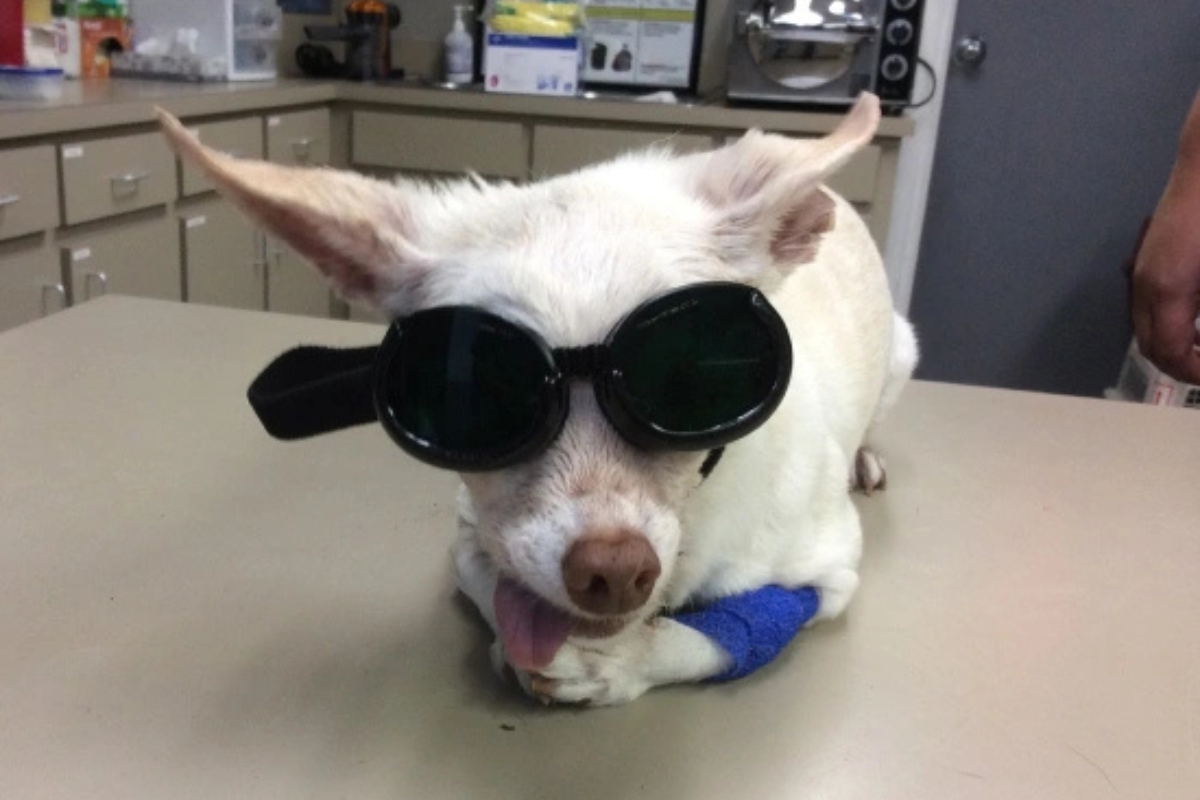
Your dog is positioned comfortably while the veterinary professional prepares the laser equipment. Appropriate protective eyewear or other eye protection is used during treatment.
Step 3: Applying the Laser
The laser applicator is directed toward the affected area using settings selected for your dog’s condition. Many sessions are brief. Our veterinary practice notes that some laser treatments take less than five minutes, although treatment duration varies. Most dogs tolerate the procedure comfortably.
Step 4: Scheduling Additional Sessions
Dogs with chronic arthritis generally require multiple treatments. Our vets may recommend a series of sessions followed by maintenance appointments, depending on your dog’s response.
How Soon Can Dogs Show Results After Laser Therapy?
Every dog responds differently. Some dogs may appear more comfortable after their first few sessions. Others need additional treatments before noticeable changes occur.
Dogs with advanced arthritis may experience limited improvement.
Watch for changes such as:
- Standing more easily after resting
- Walking with less stiffness
- Showing greater interest in gentle play
- Moving around the house more comfortably
- Resting without frequently changing positions
These improvements are possible but not guaranteed.
Keeping a record of your dog’s daily mobility can help your veterinarian determine whether treatment is providing meaningful benefits.
Can Laser Therapy Replace Arthritis Medication?
Laser therapy generally works as a complementary treatment rather than a replacement for prescribed arthritis medication.
A comprehensive arthritis management plan may include:
- Pain medication: Helps control discomfort and inflammation when appropriate.
- Weight management: Reduces unnecessary pressure on affected joints.
- Controlled exercise: Maintains muscle strength without excessive joint strain.
- Physical rehabilitation: Supports movement and flexibility.
- Laser therapy: May provide additional relief for dogs responding to treatment.
- Home modifications: Make everyday movement safer and easier.
Our vets can recommend a combination of treatments based on your dog’s condition. Never discontinue prescribed medication without veterinary guidance.
Which Dogs May Benefit From Laser Therapy?
Laser therapy may be considered for dogs experiencing chronic joint pain or stiffness. Potential candidates include senior dogs with osteoarthritis, dogs with hip or elbow discomfort, and dogs requiring additional support during arthritis management.
However, not every dog is a suitable candidate. Dogs with unexplained swelling, suspected tumors near the treatment area, or certain medical conditions require further evaluation. Our vets can determine whether laser therapy for pets is appropriate after reviewing your dog’s medical history and examining the affected joints.
How Can You Help Your Arthritic Dog at Home?
Daily care plays an important role in managing arthritis.
Consider these adjustments:
- Provide supportive bedding: Choose a comfortable bed that cushions painful joints.
- Prevent slipping: Place non-slip rugs on smooth flooring.
- Maintain gentle exercise: Encourage short, controlled walks based on veterinary recommendations.
- Manage body weight: Maintaining a healthy weight reduces stress on affected joints.
- Limit difficult movements: Use ramps when appropriate and discourage unnecessary jumping.
- Monitor mobility: Record changes in stiffness, walking, and activity levels.
Sudden severe pain, inability to stand, or rapidly worsening mobility requires prompt veterinary attention.
Why Is Early Arthritis Management Important?
Arthritis often progresses gradually, making early changes easy to overlook. When dogs avoid movement because of pain, their muscles may weaken. Reduced muscle support can make everyday activities increasingly difficult.
Early veterinary evaluation helps identify joint problems and establish appropriate treatment before mobility declines further. Regular examinations also allow our vets to monitor arthritis progression and adjust treatment recommendations. For dogs that respond to laser therapy for pets, treatment may become one part of maintaining comfort and supporting daily movement.
Help Your Dog Enjoy More Comfortable Days
Watching your dog struggle with activities they once enjoyed can be difficult. However, arthritis does not have to prevent every walk, playful moment, or comfortable afternoon with the family.
With appropriate veterinary care, many dogs can continue enjoying familiar activities despite chronic joint disease.
At Hudson Highlands Veterinary Medical Group – Hopewell Junction, our veterinary team offers laser therapy as one option for managing chronic discomfort. We evaluate your dog’s individual needs before recommending treatment.
If your dog is slowing down, struggling to stand, or showing signs of joint pain, contact our veterinary practice today. Call (845) 221-2244 to schedule an examination and discuss whether laser therapy could help your companion move more comfortably.
Frequently Asked Questions
Q1. Is laser therapy painful for dogs with arthritis?
Ans. Laser therapy is generally comfortable and does not require injections or incisions. Some dogs may experience mild warmth during treatment. Appropriate equipment settings and safety precautions are important.
Q2. How many laser therapy sessions does an arthritic dog need?
Ans. Treatment frequency depends on arthritis severity and individual response. Dogs with chronic discomfort may require several initial sessions followed by periodic maintenance treatments.
Q3. Can laser therapy completely cure arthritis in dogs?
Ans. No. Laser therapy cannot reverse joint degeneration or rebuild severely damaged cartilage. It may help manage discomfort as part of a broader arthritis treatment plan.
Q4. Where can I find laser therapy for dogs in Hopewell Junction?
Ans. Hudson Highlands Veterinary Medical Group – Hopewell Junction offers Companion CTX laser therapy for dogs with chronic discomfort, including arthritis-related pain. Our vets can assess your dog’s mobility and recommend appropriate treatment options.
Q5. Can senior dogs receive laser therapy at Hudson Highlands Veterinary Medical Group – Hopewell Junction?
Ans. Yes. Senior dogs may benefit from laser therapy when medically appropriate. Our vets at Hudson Highlands Veterinary Medical Group – Hopewell Junction evaluate each dog’s health, joint condition, and treatment needs before making recommendations.
Q6. What if my dog continues limping after laser therapy in Hopewell Junction?
Ans. At Hudson Highlands Veterinary Medical Group – Hopewell Junction, our vets can reassess persistent limping and determine whether additional diagnostic testing or changes to the treatment plan are necessary. Continued discomfort should not be ignored.