Indoor cats bring quiet comfort and playful energy into our homes. As they curl up on windowsills or chase feather toys across the living room, owners naturally begin to wonder how many years they will share with these independent yet affectionate companions. The good news is that indoor cats typically enjoy impressively long lives when they receive attentive care and a safe environment.
At Hudson Highlands Veterinary Medical Group, we believe that informed owners make the best advocates for their pets. Understanding what influences feline longevity empowers you to create habits that support vitality from kittenhood through the golden years. Whether you recently adopted a young cat or you are caring for a senior feline, knowing the facts about lifespan helps you plan for a healthy future together.
What Is the Average Lifespan of an Indoor Cat?
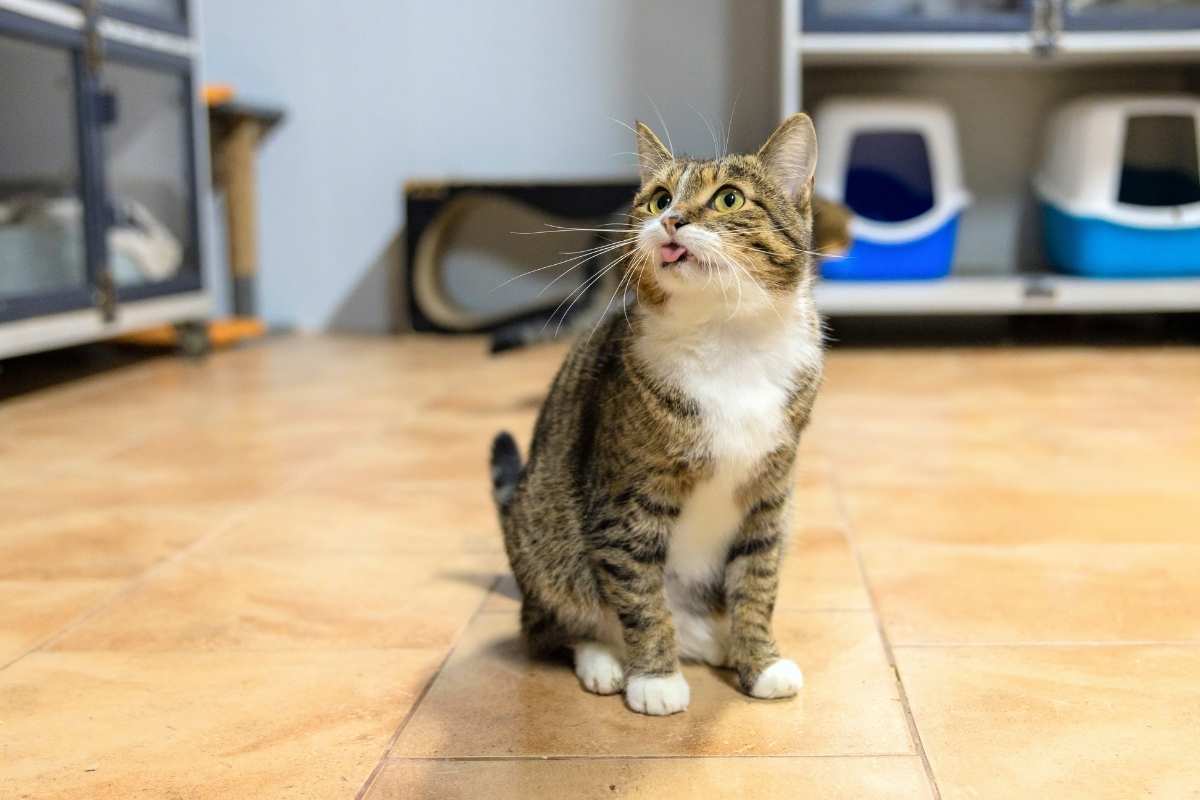
Most indoor cats live between 12 and 18 years, and many reach their early twenties with excellent care. The oldest recorded cat lived to 38 years, which demonstrates just how far proper nutrition, veterinary attention, and environmental safety can extend a feline life. These numbers represent averages, so individual cats may fall slightly below or well above this range depending on their unique genetics and lifestyle.
Veterinary medicine has advanced significantly over the past few decades. Cats now benefit from improved vaccines, diagnostic imaging, dental procedures, and nutritional science. As a result, the typical indoor cat lifespan continues to rise. Nevertheless, longevity is not guaranteed. It requires consistent effort and informed decision-making from every pet owner.
Why Indoor Cats Outlive Outdoor Cats
The decision to keep a cat indoors dramatically affects life expectancy. Indoor cats avoid traffic accidents, predators, infectious diseases, parasites, and environmental toxins. They also face lower risks of fights with other animals and traumatic injuries. Because of these protections, indoor cats regularly live three to four times longer than outdoor cats, who average only 2 to 5 years.
That said, indoor life presents its own challenges. Limited physical space can lead to obesity, boredom, and stress if owners do not provide adequate enrichment. Therefore, creating a stimulating indoor environment is just as important as providing protection from outdoor dangers. A well-designed home supports both physical health and mental wellbeing.
Key Factors That Influence Indoor Cat Longevity
Several interconnected elements determine how long your indoor cat will live. Addressing each factor proactively creates the best conditions for a lengthy, healthy life.
Balanced Nutrition
Cats are obligate carnivores, which means they require nutrients found only in animal tissue. High-quality commercial diets formulated for specific life stages provide essential amino acids like taurine, fatty acids, and vitamins. Overfeeding leads to obesity, which increases the risk of diabetes, arthritis, and heart disease. Conversely, underfeeding causes malnutrition and organ failure. Measuring portions and selecting veterinarian-recommended food supports ideal body condition.
Regular Veterinary Checkups
Regular checkups allow veterinarians to detect subtle changes before they become serious health issues. Annual physical examinations, vaccine boosters, parasite prevention, and bloodwork establish baseline health metrics. Additionally, senior cats benefit from biannual visits because age-related conditions such as kidney disease and hyperthyroidism often develop gradually. Early detection leads to more effective management and better outcomes.
Mental and Physical Enrichment
Indoor cats need opportunities to express natural behaviors like climbing, scratching, hunting, and exploring. Cat trees, scratching posts, puzzle feeders, and interactive toys prevent boredom and reduce stress. Daily play sessions also help cats maintain healthy weight and muscle tone. A mentally stimulated cat is less likely to develop stress-related behaviors such as overgrooming or inappropriate elimination.
Dental Health
Periodontal disease affects the majority of cats over age three. Bacteria from infected gums can enter the bloodstream and damage the heart, kidneys, and liver. Regular tooth brushing, dental treats, and professional cleanings under anesthesia protect both oral health and systemic wellbeing. Ignoring dental care can silently shorten your cat’s life.
Understanding Indoor Cat Life Stages
Cats progress through distinct life phases, each with specific needs and vulnerabilities. Recognizing these stages helps you adapt care appropriately.
Kittenhood Through Young Adulthood
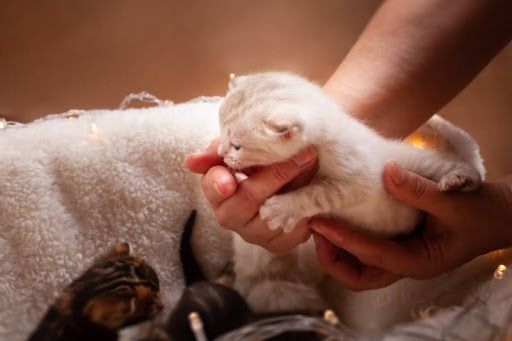
From birth to about one year, kittens grow rapidly and require multiple veterinary visits for vaccinations, deworming, and spay or neuter surgery. This period sets the foundation for lifelong health. Between one and six years, cats enter their prime. They display peak physical condition, efficient metabolism, and active behavior. Maintaining healthy habits during these years preserves vitality later in life.
Mature and Senior Years
Cats aged 7 to 10 years enter maturity. You might notice slightly reduced activity or longer naps. This stage offers an ideal opportunity to establish baseline bloodwork and urinalysis. From 11 to 14 years, cats are considered seniors. Arthritis, vision changes, and organ function decline become more common. However, many senior cats thrive with adjusted diets, supplements, and medication.
Geriatric Cats
Cats aged 15 and older have reached geriatric status. They often prefer quieter environments and may experience cognitive changes similar to dementia. Despite these challenges, geriatric cats can enjoy excellent quality of life with patient, personalized care and frequent veterinary monitoring.
Practical Tips to Extend Your Indoor Cat’s Life
You can take specific actions today to increase your cat’s odds of a long life. First, establish a consistent feeding schedule with measured portions to prevent weight gain. Second, provide fresh water daily and consider fountain-style bowls to encourage hydration. Third, create vertical spaces and hiding spots so your cat feels secure and engaged.
Additionally, scoop litter boxes daily and place them in quiet, accessible locations. Changes in litter box habits often signal health problems. Keep toxic plants, chemicals, and small objects out of reach. Finally, maintain a calm household because chronic stress weakens the immune system and contributes to illness.
Indoor cats have remarkable potential for long, joyful lives when owners commit to their wellbeing. Through balanced nutrition, environmental enrichment, dental hygiene, and routine veterinary care, you create the conditions for your feline friend to thrive well into their teens and beyond. Every year with your cat is a gift, and proactive habits make those years as healthy as possible.
If you want personalized guidance on supporting your indoor cat through every life stage, schedule your appointment with Hudson Highlands Veterinary Medical Group. Our dedicated team proudly serves pet owners in Hopewell Junction and the surrounding communities, and we look forward to helping your feline companion enjoy a long, vibrant life.
Frequently Asked Questions
Q1. How long do indoor cats typically live?
Ans. Indoor cats generally live between 12 and 18 years, with many reaching their early twenties. Their protected environment shields them from outdoor dangers, allowing them to enjoy significantly longer lives than cats who roam outside.
Q2. Do mixed-breed cats live longer than purebred cats?
Ans. Mixed-breed cats often benefit from hybrid vigor, which reduces the risk of inherited genetic disorders. Purebred cats can live equally long lives when breeders prioritize health screening, though certain breeds carry higher risks for specific hereditary conditions.
Q3. What is the most important thing I can do to help my cat live longer?
Ans. Providing consistent veterinary attention ranks among the most impactful steps you can take. Regular examinations catch diseases early, while preventive measures like vaccinations and dental cleanings protect against common threats to feline health.
Q4. How often should I take my indoor cat to the veterinarian?
Ans. Adult indoor cats should visit the veterinarian annually for physical exams and preventive care. Senior cats aged 11 and older benefit from biannual checkups because age-related conditions develop more frequently and require closer monitoring.
Q5. Can indoor cats become overweight, and does obesity affect lifespan?
Ans. Yes, indoor cats face a high risk of obesity due to limited activity and free-feeding practices. Obesity significantly shortens lifespan by increasing the likelihood of diabetes, joint disease, and cardiovascular problems. Measured portions and daily play help maintain a healthy weight.
Q6. What signs indicate my indoor cat is aging and needs extra care?
Ans. Common signs of aging include decreased activity, weight loss or gain, changes in appetite or thirst, altered sleep patterns, and reduced grooming. If you notice these changes, schedule a veterinary evaluation to address any underlying medical concerns.