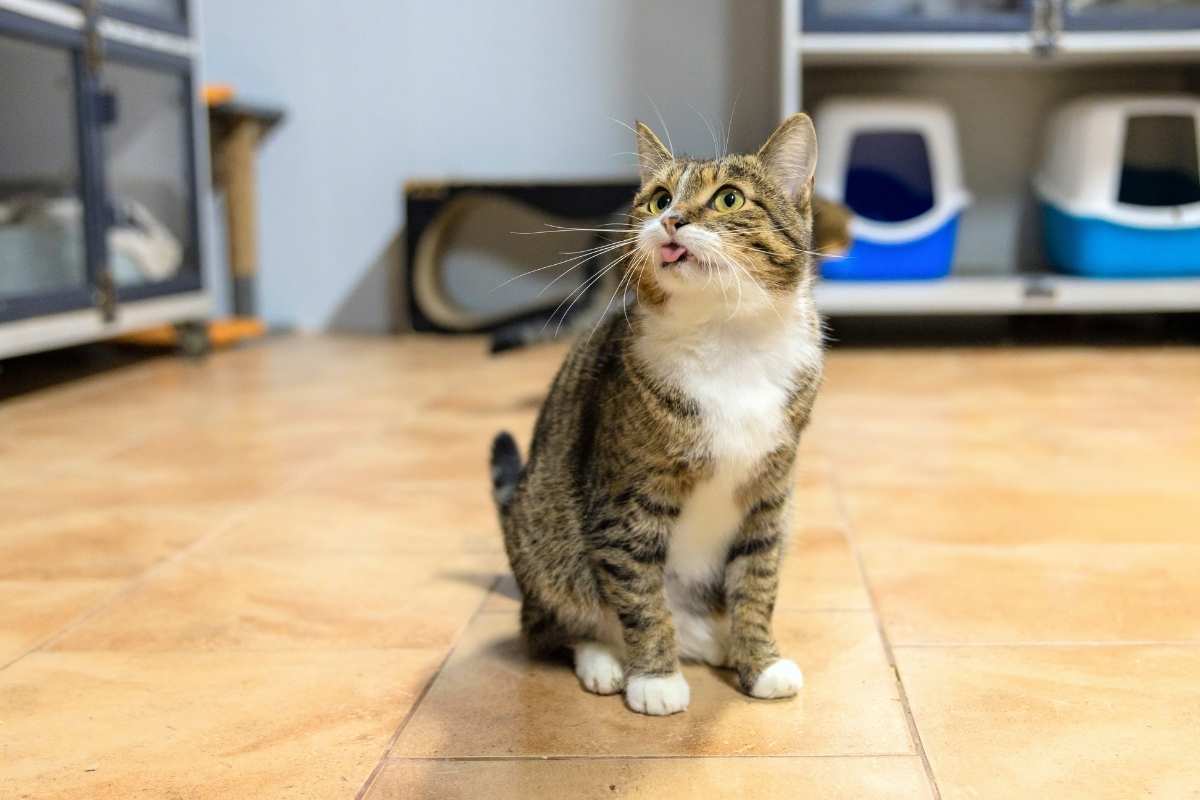
A healthy coat is more than just an attractive feature. It reflects your pet’s overall health and plays an important role in protecting the skin, regulating body temperature, and reducing the risk of parasites and infections. While every dog and cat has unique grooming needs, establishing a consistent routine helps prevent matting, excessive shedding, skin irritation, and discomfort.
Many pet owners wonder how often they should brush, bathe, or trim their pet’s coat. The answer depends largely on coat length, breed, activity level, age, and underlying health conditions. A grooming schedule that works well for a short-haired Labrador Retriever may not be suitable for a long-haired Persian cat or an Afghan Hound.
This guide explains a veterinarian-recommended grooming schedule for short, medium, and long-haired pets while highlighting practical tips to keep their skin and coat in excellent condition throughout every stage of life.
Why Grooming Is Essential for Every Pet
Regular grooming supports far more than appearance. It allows pet owners to detect health concerns early while maintaining healthy skin and coat condition.
Benefits of routine grooming include:
- Reduces loose hair and shedding
- Prevents painful mats and tangles
- Improves skin circulation
- Distributes natural skin oils
- Detects lumps, wounds, or parasites early
- Keeps nails at a healthy length
- Helps prevent ear infections
- Supports overall hygiene
Consistent pet grooming also helps pets become comfortable with being handled, making veterinary examinations easier.
Factors That Influence Grooming Frequency
No single schedule works for every pet.
Several factors affect grooming needs, including:
- Coat length
- Coat texture
- Breed
- Age
- Lifestyle
- Outdoor activity
- Seasonal shedding
- Medical conditions
- Skin sensitivity
Understanding these factors helps create a grooming routine that supports your pet’s individual needs.
Grooming Schedule for Short-Haired Pets
Short-haired breeds generally require less maintenance, but routine care remains important.
Examples include:
- Beagle
- Boxer
- Doberman Pinscher
- Labrador Retriever
- American Shorthair Cat
Brushing
Brush once or twice each week.
Regular brushing removes loose hair, stimulates healthy skin oils, and minimizes shedding.
Bathing
Most short-haired pets benefit from bathing every six to eight weeks unless they become unusually dirty or your veterinarian recommends a different schedule.
Nail Trimming
Trim nails approximately every three to four weeks.
Long nails may affect posture and walking comfort.
Ear Cleaning
Check ears weekly for:
- Redness
- Wax buildup
- Unpleasant odor
- Discharge
Clean only when necessary using veterinarian-approved products.
Grooming Schedule for Medium-Haired Pets
Medium-coated breeds often require more frequent brushing to prevent tangles.
Examples include:
- Golden Retriever
- Border Collie
- Australian Shepherd
- Maine Coon Cat
Brushing
Brush two to three times each week.
During seasonal shedding, daily brushing may be helpful.
Bathing
Bathing every four to six weeks helps maintain coat cleanliness without removing excessive natural oils.
Nail Care
Trim nails every three to four weeks.
Monitor active pets closely since some naturally wear their nails down.
Coat Inspection
Check regularly for:
- Mats
- Burrs
- Fleas
- Ticks
- Skin irritation
Early detection prevents more serious skin problems.
Grooming Schedule for Long-Haired Pets
Long-haired pets require the most consistent grooming routine.
Examples include:
- Shih Tzu
- Afghan Hound
- Yorkshire Terrier
- Persian Cat
- Himalayan Cat
Daily Brushing
Daily brushing helps:
- Prevent mats
- Remove debris
- Reduce shedding
- Improve coat health
Mats can become painful and may eventually require professional removal.
Bathing
Most long-haired pets benefit from bathing every four to six weeks, although individual needs vary.
Always dry the coat thoroughly after bathing.
Trimming
Some breeds require regular coat trimming every six to eight weeks to maintain comfort and cleanliness.
Professional grooming may be recommended.
Nail Care for Every Coat Type
Nail care is equally important regardless of coat length.
Overgrown nails may cause:
- Pain
- Difficulty walking
- Joint stress
- Broken nails
Most pets require nail trimming approximately once each month.
Dental Hygiene Should Be Part of Grooming
Oral health is closely connected to overall wellness.
Daily tooth brushing remains the gold standard.
Additional dental care may include:
- Veterinary dental cleanings
- Dental chews
- Water additives
- Prescription dental diets
Healthy teeth support long-term health and comfort.
Eye Care
Certain breeds require routine eye cleaning.
Watch for:
- Tear staining
- Excessive discharge
- Squinting
- Redness
Persistent eye abnormalities should always be evaluated by a veterinarian.
Seasonal Grooming Adjustments
Your pet’s grooming routine may change throughout the year.
Spring
Many pets shed heavily during spring.
Increase brushing frequency to remove loose hair.
Summer
Regular brushing helps improve airflow through the coat.
Never shave double-coated breeds unless specifically recommended by your veterinarian.
Fall
Monitor seasonal shedding while maintaining regular brushing.
Winter
Dry winter air may contribute to flaky skin.
Bathing less frequently may help maintain natural skin oils.
Signs Your Pet Needs Grooming Sooner
Do not wait for your scheduled grooming appointment if you notice:
- Mats
- Strong odor
- Excessive shedding
- Dirty ears
- Long nails
- Tangled fur
- Skin redness
- Fleas or ticks
Addressing these issues early helps prevent discomfort.
Grooming Tips for Puppies and Kittens
Introduce grooming gradually.
Start with:
- Short brushing sessions
- Gentle handling
- Positive reinforcement
- Quiet environments
- Small rewards
Early experiences help young pets become comfortable with lifelong grooming routines.
Grooming Senior Pets
Older pets may develop arthritis or reduced mobility, making grooming more challenging.
Senior pets often benefit from:
- Shorter grooming sessions
- Softer brushes
- Additional assistance standing
- More frequent coat inspections
Routine pet grooming also provides an opportunity to monitor for lumps, skin changes, or other age-related health concerns.
Common Grooming Mistakes to Avoid
Many well-intentioned owners unknowingly make grooming mistakes.
Avoid:
- Overbathing
- Using human shampoo
- Ignoring mats
- Cutting nails too short
- Pulling tangled fur
- Cleaning ears excessively
- Neglecting dental care
Proper techniques help maintain healthy skin and reduce stress.
When to Seek Veterinary Advice
Schedule a veterinary examination if your pet develops:
- Persistent itching
- Hair loss
- Red or inflamed skin
- Recurrent ear infections
- Pain during grooming
- New lumps or bumps
- Unusual odors
- Skin sores
Some skin and coat problems require medical treatment rather than grooming alone.
A consistent grooming routine supports healthy skin, a clean coat, and your pet’s overall well-being. Whether your companion has a short, medium, or long coat, tailoring grooming frequency to their individual needs helps prevent discomfort while allowing you to identify potential health concerns early. Regular brushing, bathing, nail trimming, ear care, and dental hygiene all contribute to a healthier, happier pet. By following a veterinarian-recommended grooming schedule and staying attentive to changes in your pet’s skin and coat, you can help ensure they remain comfortable and healthy throughout every stage of life.
Frequently Asked Questions
Q1. How often should I groom my short-haired dog or cat?
Ans: Most short-haired pets benefit from brushing once or twice a week, bathing every six to eight weeks, weekly ear checks, and nail trimming about once a month.
Q2. Should long-haired pets be brushed every day?
Ans: Yes. Daily brushing helps prevent mats, reduces shedding, removes debris, and keeps the coat healthy and comfortable.
Q3. Is frequent bathing harmful to pets?
Ans: Bathing too often may remove natural skin oils and contribute to dry skin. Most healthy pets only need baths every four to eight weeks, depending on coat type and lifestyle.
Q4. How do I know if my pet’s nails are too long?
Ans: If you hear your pet’s nails clicking on hard floors or notice changes in their walking posture, it may be time for a nail trim.
Q5. Can grooming help detect health problems?
Ans: Yes. Regular grooming allows pet owners to identify lumps, skin infections, parasites, wounds, ear problems, or other abnormalities before they become more serious.
Q6. When should I consult a veterinarian instead of a groomer?
Ans: If your pet develops persistent itching, hair loss, skin sores, unusual lumps, painful ears, or recurring skin infections, schedule a veterinary examination to identify the underlying cause.