Pets cannot describe pain or explain when something feels wrong, which can make diagnosing medical conditions more challenging. While physical exams and laboratory testing provide valuable information, veterinarians often rely on diagnostic imaging to evaluate internal structures and identify health problems more accurately. Imaging technology allows veterinarians to examine bones, organs, tissues, and injuries that may not be visible during a routine examination.
At Hudson Highlands Veterinary Medical Group, diagnostic imaging is commonly used to help evaluate illnesses, injuries, and chronic medical conditions in both dogs and cats. These tools support earlier detection, more accurate diagnoses, and improved treatment planning for pets at every stage of life.
Diagnostic imaging is especially valuable when pets show symptoms such as limping, vomiting, breathing difficulties, abdominal discomfort, or unexplained behavioral changes. For pet owners in Hopewell Junction, NY, understanding how veterinary imaging works can help them make informed decisions about their pet’s healthcare and treatment options.
What Is Diagnostic Imaging in Veterinary Medicine?
Diagnostic imaging refers to non-invasive tools used to create images of a pet’s internal body structures. Veterinarians use these technologies to evaluate bones, joints, organs, and soft tissues without surgery.
Common forms of veterinary imaging include:
- X-rays (radiographs)
- Ultrasound
- CT scans
- MRI imaging
Each imaging method serves a different purpose depending on the pet’s symptoms and suspected condition.
How X-Rays Help Diagnose Health Problems
X-rays are one of the most commonly used imaging tools in veterinary medicine. They provide detailed images of bones and certain internal organs.
Veterinarians often use X-rays to identify:
- Broken bones or fractures
- Arthritis and joint disease
- Foreign object ingestion
- Lung and heart abnormalities
- Bladder stones
- Certain tumors or masses
X-rays are fast, non-invasive, and especially useful during emergency situations involving trauma or sudden illness.
The Role of Ultrasound in Veterinary Care
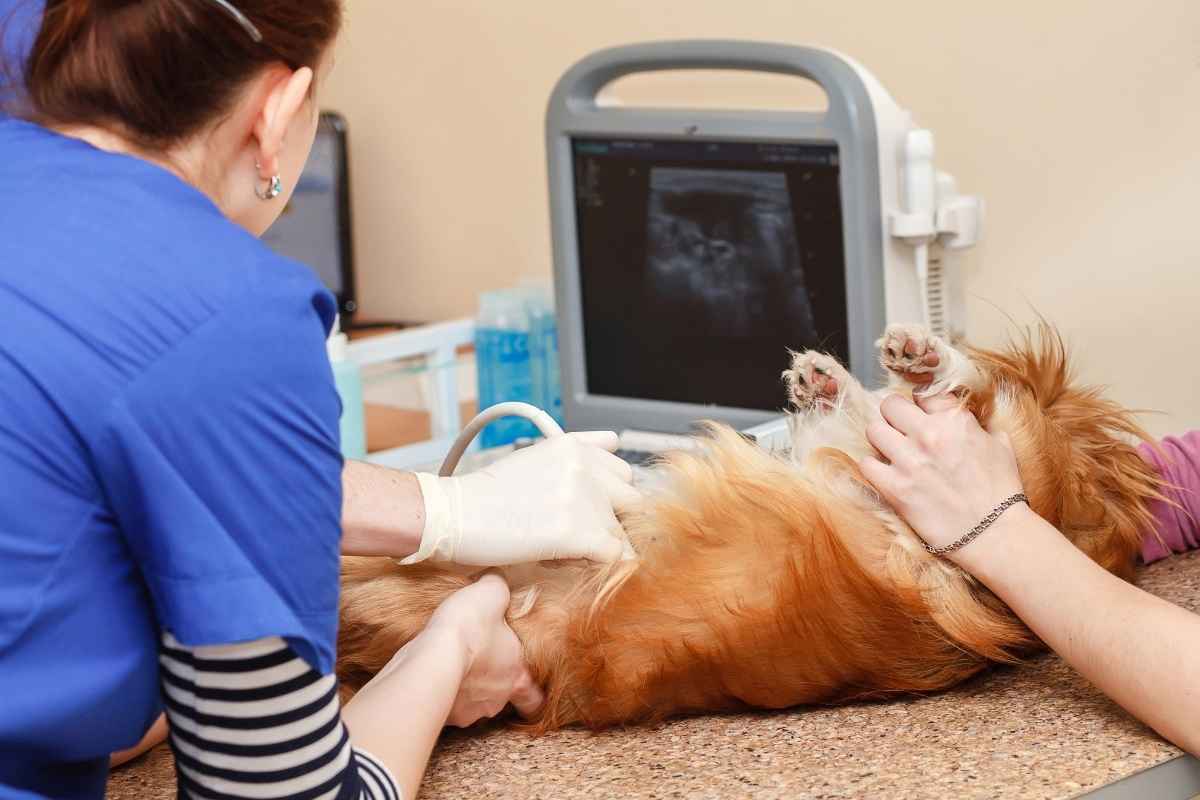
Ultrasound uses sound waves to create real-time images of soft tissues and internal organs. Unlike X-rays, ultrasound allows veterinarians to observe movement and fluid flow within the body.
Ultrasound may help evaluate:
- Liver and kidney health
- Pregnancy monitoring
- Abdominal abnormalities
- Heart conditions
- Fluid accumulation
- Digestive issues
Ultrasound is commonly recommended when pets have chronic vomiting, unexplained weight loss, or abdominal discomfort.
Advanced Imaging: CT Scans and MRI
In some cases, veterinarians may recommend advanced imaging for more detailed evaluation.
CT Scans
CT scans combine multiple X-ray images to create detailed cross-sectional views of the body. They are especially useful for:
- Complex fractures
- Nasal disease
- Certain cancers
- Chest abnormalities
MRI Imaging
MRI provides highly detailed images of soft tissues, nerves, and the brain.
MRI may be recommended for:
- Neurological conditions
- Spinal cord injuries
- Brain abnormalities
- Severe joint or tissue damage
These advanced tools can improve diagnostic accuracy for more complicated medical conditions.
Symptoms That May Require Diagnostic Imaging
Veterinarians may recommend imaging if a pet develops symptoms such as:
- Limping or mobility issues
- Persistent vomiting or diarrhea
- Difficulty breathing
- Chronic coughing
- Abdominal swelling
- Unexplained pain
- Seizures or neurological symptoms
Imaging helps veterinarians investigate internal causes that cannot be identified through physical exams alone.
Benefits of Early Diagnostic Imaging
Early imaging can help identify health problems before they become more severe. Prompt diagnosis often allows treatment to begin sooner, which may improve recovery outcomes and long-term quality of life.
Benefits of early diagnostic imaging include:
- Faster diagnosis
- More accurate treatment planning
- Earlier disease detection
- Reduced risk of complications
- Improved monitoring of chronic conditions
Veterinarians may also use imaging to monitor healing progress after surgery or injury.
Is Diagnostic Imaging Safe for Pets?
Most veterinary imaging procedures are considered safe and minimally invasive. X-rays use low levels of radiation, while ultrasound does not involve radiation exposure at all.
Some advanced imaging procedures may require mild sedation or anesthesia to help pets remain still during testing. Veterinarians carefully evaluate each pet’s health before recommending sedation.
Modern pet diagnostic service technology allows veterinarians to gather detailed health information while minimizing stress and discomfort for pets.
How Pet Owners Can Prepare for Imaging Appointments
Preparation requirements vary depending on the type of imaging being performed.
Veterinarians may recommend:
- Fasting before sedation or ultrasound
- Bringing medical records or medication lists
- Restricting food or water temporarily
- Keeping pets calm before appointments
Following instructions carefully helps improve imaging quality and supports safer procedures.
Supporting Better Health Through Accurate Diagnosis
Accurate diagnosis is one of the most important parts of effective veterinary care. Diagnostic imaging allows veterinarians to identify hidden injuries, monitor disease progression, and guide treatment decisions with greater confidence.
Routine wellness exams combined with pet diagnostic service evaluations can help detect medical concerns earlier and support more personalized healthcare planning for pets.
Helping Pets Receive Timely Medical Care
Diagnostic imaging plays an essential role in identifying illnesses and injuries that may otherwise go unnoticed. Whether evaluating chronic symptoms, monitoring healing, or investigating sudden health changes, imaging tools help veterinarians provide more precise and effective care for pets.
If you’re in Hopewell Junction, NY, and need guidance from a veterinarian near you on your pet’s health concerns, Hudson Highlands Veterinary Medical Group offers diagnostic imaging, wellness evaluations, and personalized veterinary support for dogs and cats. Our team can help identify underlying health issues and recommend treatment options tailored to your pet’s specific needs. Contact us today to learn more about supporting your pet’s long-term health and well-being.
FAQs
Q1. What is diagnostic imaging for pets?
Ans. Diagnostic imaging uses tools like X-rays, ultrasound, CT scans, and MRI to evaluate internal structures and identify medical conditions in pets.
Q2. Why would my pet need an X-ray?
Ans. X-rays help veterinarians diagnose fractures, arthritis, foreign object ingestion, lung disease, bladder stones, and other internal health problems.
Q3. Is ultrasound safe for dogs and cats?
Ans. Yes. Ultrasound is considered safe, non-invasive, and painless while providing detailed images of organs, tissues, and fluid movement inside the body.
Q4. Does diagnostic imaging require anesthesia?
Ans. Some advanced imaging procedures may require sedation or anesthesia, especially if pets need help remaining still during the examination process.
Q5. How long do veterinary imaging procedures take?
Ans. Basic X-rays often take minutes, while ultrasound and advanced imaging procedures may require additional preparation and longer appointment times.
Q6. When should pet owners consider diagnostic imaging?
Ans. Imaging may be recommended when pets experience unexplained pain, limping, vomiting, breathing problems, seizures, or persistent health changes.